Cannabis Flower Online: Strains, Genetics, Terpenes, Quality and Testing Guide
Cannabis flower remains one of the most recognizable forms of cannabis. For people searching for Cannabis Flower Online, understanding the differences between cultivars, cannabinoids, terpenes, cultivation methods, freshness, and laboratory testing can make product information easier to evaluate.
Cannabis flower is the dried flowering material of the cannabis plant. Depending on genetics and cultivation, flowers can differ significantly in appearance, aroma, flavor, cannabinoid concentration, and terpene composition.
Modern cannabis is also highly hybridized. As a result, familiar categories such as indica, sativa, and hybrid can provide a general description, but they do not always predict the actual chemistry or genetics of a particular product. Scientific research has found that modern commercial cannabis has extensive genetic overlap and that traditional labels can be less reliable than cultivar-specific and laboratory information.
This guide explains the main factors to consider when researching cannabis flower and provides a useful framework for understanding quality and product information.
What Is Cannabis Flower?
Cannabis flower is the dried flowering portion of the cannabis plant.
The flowers contain naturally occurring compounds, including:
- THC and THCA
- CBD and CBDA
- CBG and CBGA
- CBN
- Terpenes
- Flavonoids
- Other plant compounds
The concentration of these compounds depends on genetics, cultivation, maturity, harvesting, drying, curing, and storage.
Because every cultivar and batch can differ, cannabis flower should not be evaluated by appearance alone.
Cannabis Flower Genetics
Genetics provide the foundation for a cannabis cultivar.
A plant’s genetic background can influence:
- Cannabinoid production
- Terpene production
- Flower density
- Plant structure
- Aroma
- Flavor
- Resin production
- Color
- Maturation time
Modern cannabis breeding has produced thousands of named cultivars and hybrids.
Consequently, two flowers marketed under broad categories such as “indica” or “sativa” can have very different genetic and chemical profiles.
Why Cultivar Information Matters
A specific cultivar name can provide more useful information than a broad category.
For example, a named cultivar may have documented parent genetics and an established terpene profile.
However, even within the same cultivar, different phenotypes can develop different characteristics.
Cannabis Flower Appearance
Cannabis flower can vary considerably in appearance.
Common characteristics include:
- Green coloration
- Orange or copper pistils
- Visible trichomes
- Dense or open flower structures
- Purple highlights
- Resin-covered surfaces
Appearance is useful for describing the product, but it cannot accurately determine potency.
A flower with heavy visible trichome coverage does not automatically contain more THC than another flower.
Laboratory testing provides more reliable information about cannabinoid concentration.
Understanding Cannabis Trichomes
Trichomes are tiny structures found on cannabis flowers.
They produce and store many of the plant’s cannabinoids and terpenes.
When flowers contain substantial trichome coverage, they can appear frosty or crystalline.
Trichomes are particularly important because they contribute to:
- Cannabinoid production
- Terpene production
- Resin
- Aroma
- Flower appearance
However, visual inspection cannot determine the exact percentage of THC, THCA, CBD, or other cannabinoids.
Cannabis Flower Aroma
Aroma is one of the easiest ways to distinguish different cannabis cultivars.
Depending on genetics and terpene composition, cannabis flower may smell:
- Earthy
- Piney
- Citrus-like
- Fruity
- Floral
- Herbal
- Spicy
- Woody
- Tropical
- Pungent
- Fuel-like
There is no single cannabis aroma.
Each cultivar can express a different combination of aromatic compounds.
Cannabis Flower Terpenes
Terpenes are naturally occurring aromatic compounds found in cannabis and many other plants.
They contribute significantly to the smell and flavor of different cultivars.
Some commonly encountered cannabis terpenes include:
Myrcene
Myrcene is often associated with earthy, herbal, and musky aromas.
Limonene
Limonene is commonly associated with lemon and citrus characteristics.
Caryophyllene
Caryophyllene can contribute peppery and spicy aromas.
Pinene
Pinene is associated with pine-like and fresh botanical characteristics.
Linalool
Linalool commonly contributes floral and botanical aromas.
Terpinolene
Terpinolene can contribute fresh, herbal, floral, and citrus characteristics.
The exact terpene composition varies between cultivars and batches.
For that reason, a laboratory terpene report is more informative than assuming a product has a particular terpene profile based solely on its strain name.
Cannabis Flower Cannabinoids
Cannabinoids are another important part of cannabis flower.
The major cannabinoids commonly discussed include:
THC
Delta-9 THC is the primary intoxicating cannabinoid associated with cannabis.
THCA
THCA is the acidic precursor to THC that naturally occurs in raw cannabis.
When sufficient heat is applied, THCA can undergo decarboxylation and convert into THC.
CBD
CBD is another major cannabinoid found in cannabis and hemp.
CBG
CBG is a minor cannabinoid that can occur at varying concentrations depending on genetics.
CBN
CBN is another cannabinoid that may occur in cannabis, usually at lower concentrations.
The exact cannabinoid profile depends on the specific cultivar and batch.
Why THC Percentage Is Not Everything
THC percentage is often one of the first numbers people notice when researching cannabis flower.
However, it is only one part of the product profile.
Two products with similar THC levels can have very different:
- Terpene profiles
- Aromas
- Genetics
- Flower structures
- Cannabinoid ratios
- Cultivation methods
- Freshness
Therefore, a more complete evaluation considers the entire laboratory profile.
Cannabis Flower and the Entourage Concept
Cannabis contains numerous cannabinoids and aromatic compounds.
The term “entourage effect” is sometimes used to describe theories about interactions between these compounds. However, scientific evidence regarding the extent and practical significance of these interactions remains an active area of research.
For that reason, product pages should avoid presenting specific combinations of cannabinoids and terpenes as guaranteed to produce a particular result.
A more accurate approach is to describe the measurable chemical profile of the product.
Indica, Sativa and Hybrid
The terms indica, sativa, and hybrid remain widely used in the cannabis market.
Traditionally, they have been associated with different plant structures and geographic origins.
However, modern breeding has created extensive overlap between these categories. Research examining commercial cannabis has found that the traditional labels do not always correspond closely to genetic or chemical differences.
Indica
Often marketed as a category associated with compact flowers and earthy, herbal, or pungent characteristics.
Sativa
Often associated with taller plant structures and more varied citrus, floral, or tropical characteristics.
Hybrid
A cultivar containing genetics from multiple cannabis lines.
For modern products, the specific cultivar and laboratory profile are generally more informative than the category alone.
Cannabis Flower Quality
Quality involves multiple factors.
A useful evaluation can include:
Genetics
Reliable genetic information provides context for the cultivar.
Cannabinoids
Laboratory results provide measurable cannabinoid concentrations.
Terpenes
Terpene results provide information about aromatic compounds.
Appearance
Flower structure and trichome development provide useful visual information.
Aroma
A clear and characteristic aroma can indicate the preservation of volatile compounds.
Freshness
Drying, curing, packaging, and storage all influence the final condition.
Testing
Batch-specific laboratory testing provides objective information that visual inspection cannot provide.
Cannabis Flower Freshness
Freshness can influence aroma, flavor, texture, and overall flower condition.
Environmental exposure can gradually affect cannabis compounds.
Important factors include:
- Heat
- Light
- Air
- Moisture
- Storage time
- Packaging
Excessive exposure can affect volatile terpenes and other components.
Therefore, appropriate post-harvest handling is an important part of maintaining flower quality.
Drying Cannabis Flower
Drying is the first major post-harvest process.
After harvesting, flowers contain substantial moisture.
Controlled drying gradually reduces that moisture while helping preserve the flower’s structure and aromatic characteristics.
Poor drying practices can affect:
- Texture
- Aroma
- Appearance
- Storage stability
The process should therefore be carefully managed.
Curing Cannabis Flower
Curing follows drying.
During curing, the flower is allowed to stabilize under controlled conditions.
Proper curing can influence:
- Aroma
- Flavor
- Texture
- Overall flower condition
Curing is particularly important for terpene-rich cultivars because poor handling can reduce aromatic quality.
Cannabis Flower Storage
Proper storage helps protect the flower after production.
A suitable storage environment should generally be:
Cool: Avoid excessive heat.
Dark: Protect the product from direct light.
Dry: Avoid excessive moisture.
Stable: Minimize large environmental changes.
Secure: Keep cannabis products away from children and pets.
Appropriate packaging can also help reduce unnecessary exposure to the surrounding environment.
How Laboratory Testing Works
Laboratory testing provides measurable information about cannabis flower.
A Certificate of Analysis, commonly called a COA, can contain several important sections.
Cannabinoid Testing
A cannabinoid panel can identify concentrations of:
- THC
- THCA
- CBD
- CBDA
- CBG
- CBGA
- CBN
- Other cannabinoids
Terpene Testing
A terpene panel can identify selected aromatic compounds and their concentrations.
Contaminant Screening
Depending on the applicable testing requirements, laboratories may test for:
- Pesticides
- Heavy metals
- Microbial contamination
- Residual solvents
- Other contaminants
Batch Information
A batch or lot number helps connect the test results with a particular production batch.
Why Batch-Specific COAs Matter
Cannabis is a biological product.
Even flowers from the same cultivar can differ between harvests.
Different batches may have different:
- THC levels
- THCA levels
- CBD levels
- CBG levels
- Terpene concentrations
- Aromas
- Colors
- Flower structures
Therefore, a current COA for the specific batch provides more useful information than a generic laboratory result.
How to Read a Cannabis Flower COA
When examining a laboratory report, start by checking the product identity.
Then review:
Product Name
Confirm that the report corresponds to the product being evaluated.
Batch Number
Check that the batch number matches the product.
Cannabinoid Results
Review THC, THCA, CBD, and other available cannabinoids.
Terpene Results
Review the identified aromatic compounds.
Testing Date
Check when the sample was analyzed.
Contaminant Results
Review the available safety testing.
This process makes it easier to compare products based on measurable information.
Final Thoughts on Cannabis Flower Online
Cannabis Flower Online is a broad topic that includes genetics, cultivars, cannabinoids, terpenes, appearance, freshness, laboratory testing, storage, and regulation.
The strongest way to evaluate cannabis flower is to look beyond the product name or THC percentage.
Genetics explain where a cultivar comes from. Terpenes help explain aroma and flavor. Cannabinoid testing provides measurable chemical information. Drying, curing, and storage influence freshness. Finally, batch-specific laboratory testing provides valuable evidence about the actual product.
Modern cannabis is also highly hybridized, making traditional indica and sativa labels less precise than they once appeared.
For consumers and researchers alike, a detailed product profile provides a much clearer understanding of what a particular cannabis flower contains and how it differs from other cultivars.
Frequently Asked Questions
What is cannabis flower?
Cannabis flower is the dried flowering portion of the cannabis plant containing cannabinoids, terpenes, and other naturally occurring compounds.
What cannabinoids are found in cannabis flower?
Common cannabinoids include THC, THCA, CBD, CBDA, CBG, CBGA, and CBN.
What gives cannabis flower its aroma?
Terpenes and other volatile plant compounds contribute significantly to cannabis aroma.
What are common cannabis terpenes?
Myrcene, limonene, caryophyllene, pinene, linalool, and terpinolene are among commonly encountered cannabis terpenes.
Does a higher THC percentage always mean better cannabis flower?
No. THC is only one part of the overall product profile. Genetics, terpenes, freshness, cultivation, and testing are also important.
What is a cannabis COA?
A COA, or Certificate of Analysis, is a laboratory report containing analytical results for a particular product or batch.
Why is batch-specific testing important?
Cannabinoid and terpene levels can vary between batches, even when the same cultivar name is used.
What is the difference between indica and sativa?
They are traditional cannabis classifications, but modern hybridization has made the distinction less reliable for predicting the actual genetics and chemistry of commercial products.
How should cannabis flower be stored?
Generally, cannabis flower should be kept in a cool, dry, dark, stable environment and securely away from children and pets.
What should I look for when researching cannabis flower online?
Look for clear cultivar information, cannabinoid results, terpene information, current laboratory testing, batch identification, freshness information, appropriate packaging, and applicable local laws.
Uncategorized
Uncategorized
Concentrates
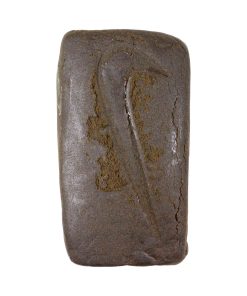
Concentrates

Concentrates
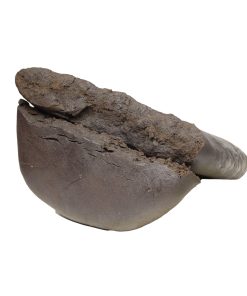
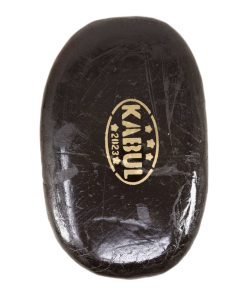
Concentrates
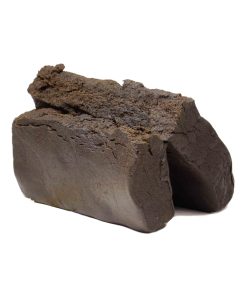
Concentrates
Uncategorized
Concentrates
Concentrates
Concentrates
Concentrates
Cannabis Flower Online: Quality, Strains, Testing, Terpenes and Buying Guide
Cannabis flower is one of the most established cannabis product categories, but the modern market is much more diverse than simple labels such as indica, sativa, or hybrid suggest. People researching Cannabis Flower Online may be comparing cultivars, cannabinoid percentages, terpene profiles, flower quality, laboratory results, freshness, packaging, and legal requirements.
The best way to understand a cannabis flower product is to look at the complete profile rather than relying on one number or one strain name. Scientific research has found that products carrying the same cultivar name can sometimes show meaningful genetic and chemical differences, making batch-specific information particularly valuable. (PubMed Central (PMC))
Cannabis Flower and Modern Cultivars
Modern cannabis has been extensively crossbred. As a result, many commercial cultivars contain genetics from multiple historical cannabis populations.
This has created a market with thousands of named cultivars and hybrids.
A product may therefore be described as:
-
Indica
-
Sativa
-
Hybrid
-
Indica-dominant
-
Sativa-dominant
-
CBD-dominant
-
THC-dominant
-
Balanced cannabinoid
These terms can help consumers navigate the market, but they do not provide a complete description of the plant’s chemistry.
Research comparing commercial samples has found that traditional sativa, indica, and hybrid labels do not always correspond to clear genetic groups. (PubMed Central (PMC))
Why the Same Strain Can Vary
One of the most important things to understand when researching cannabis flower online is batch variation.
The same cultivar can produce different results depending on:
-
Genetics
-
Phenotype
-
Growing environment
-
Light
-
Temperature
-
Humidity
-
Nutrient conditions
-
Harvest timing
-
Drying
-
Curing
-
Storage
Therefore, a strain name should be viewed as a starting point rather than a guarantee of an identical product.
Cannabis Flower Phenotypes
A phenotype is the observable expression of a plant’s genetics and environment.
Different phenotypes from related genetics can vary in:
-
Bud structure
-
Color
-
Aroma
-
Flavor
-
Resin production
-
Cannabinoid concentration
-
Terpene concentration
This explains why photographs and descriptions of the same named cultivar can sometimes look noticeably different.
For a website selling or describing cannabis flower, acknowledging natural variation can make product information more accurate and credible.
Understanding Cannabis Chemotypes
A chemotype describes a plant according to its chemical composition.
This can be more informative than simply using the terms indica or sativa.
For example, cannabis can be broadly characterized by dominant cannabinoid patterns such as:
THC-Dominant
These flowers contain THC as the primary cannabinoid.
CBD-Dominant
These flowers contain substantially more CBD relative to THC.
Balanced
Some cultivars contain more comparable proportions of THC and CBD.
Minor-Cannabinoid Rich
Some breeding programs focus on cannabinoids such as CBG and other less abundant compounds.
The actual classification should be based on laboratory results rather than marketing language.
Cannabis Flower Terpene Diversity
Terpenes are an important part of cannabis flower because they contribute strongly to aroma and flavor.
A single flower can contain multiple terpenes in different proportions.
Common examples include:
Myrcene
Often associated with earthy, herbal, and musky aromas.
Limonene
Commonly associated with citrus and lemon characteristics.
Caryophyllene
Often associated with peppery and spicy aromas.
Pinene
Associated with pine and fresh botanical notes.
Linalool
Often associated with floral aromas.
Humulene
Can contribute earthy, woody, and herbal characteristics.
Terpinolene
Can contribute complex fresh, floral, herbal, and citrus notes.
The dominant terpene can help explain why two cannabis flowers with similar THC concentrations may smell completely different.
Why Terpenes Matter for Product Descriptions
A good product description should explain aroma rather than simply calling a flower “premium.”
For example, a terpene-informed description might explain whether a cultivar has:
-
Citrus notes
-
Sweet fruit
-
Earthy undertones
-
Pine characteristics
-
Peppery spice
-
Floral aromas
-
Tropical notes
-
Fuel-like characteristics
This gives readers a clearer understanding of the product.
Cannabis Flower Cannabinoid Testing
Cannabinoid testing is another important part of evaluating flower.
A laboratory report may measure:
-
Delta-9 THC
-
THCA
-
CBD
-
CBDA
-
CBG
-
CBGA
-
CBN
-
CBC
-
Other cannabinoids
Because cannabinoid production is influenced by genetics and environmental factors, laboratory testing provides more useful information than relying on a generalized strain description.
Research into cannabis genetics has also shown that cannabinoid production is controlled by complex genetic factors rather than a single simple mechanism. (PubMed Central (PMC))
THCA and THC
THCA is naturally present in raw cannabis flower.
It is chemically different from delta-9 THC, but heat can cause THCA to undergo decarboxylation and form THC.
This is why laboratory reports can show both:
THCA
and
Delta-9 THC
as separate measurements.
When evaluating cannabis flower, reviewing the entire cannabinoid panel provides a better understanding than focusing on one advertised percentage.
Cannabis Flower Potency
Potency is often one of the first things people look at when comparing cannabis flower.
However, a higher THC percentage does not automatically provide a complete measure of product quality.
Other characteristics include:
-
Terpene profile
-
Genetics
-
Cannabinoid diversity
-
Flower freshness
-
Aroma
-
Cultivation
-
Curing
-
Laboratory testing
A useful product page should therefore provide potency information without suggesting that potency alone determines quality.
How to Read a Cannabis Flower COA
A Certificate of Analysis, or COA, can help readers understand a particular batch.
When reviewing a COA, start with the product identification.
Product Name
Confirm that the report corresponds to the product being evaluated.
Batch Number
The batch number connects the test results to a specific production lot.
Testing Date
The date indicates when the sample was analyzed.
Cannabinoid Panel
Review THC, THCA, CBD, CBG, CBN, and other listed cannabinoids.
Terpene Panel
Look for identified terpenes and their concentrations.
Contaminant Testing
Depending on the testing requirements, a report may include pesticides, heavy metals, microbial contamination, residual solvents, and other screening.
This information provides a stronger foundation for evaluating cannabis flower.
Why Current COAs Are Better
A laboratory report should ideally correspond to the actual batch being offered.
Using one old report for multiple harvests can create an inaccurate picture because cannabinoid and terpene levels can change.
A better approach is to connect:
Product → Batch → Laboratory Report
This makes product information easier to verify.
Cannabis Flower Freshness
Freshness is another important quality factor.
After harvesting, cannabis flower continues to change.
Exposure to environmental conditions can influence:
-
Aroma
-
Flavor
-
Texture
-
Terpene concentration
-
Cannabinoid stability
-
Overall appearance
This is why appropriate drying, curing, packaging, and storage matter.
Proper Cannabis Flower Storage
Cannabis flower should generally be protected from excessive environmental exposure.
Protect Against Heat
High temperatures can affect cannabinoids and volatile aromatic compounds.
Protect Against Light
Prolonged direct light exposure can contribute to chemical degradation.
Control Moisture
Excess moisture can create undesirable storage conditions.
Limit Excess Air Exposure
Appropriate packaging can reduce unnecessary exposure to the surrounding environment.
Maintain Stability
Large temperature and humidity changes can affect flower condition.
Cannabis should also be stored securely away from children and pets.
Cannabis Flower Packaging
Packaging serves several purposes.
It can help protect the product while also providing important information.
Depending on the jurisdiction and product category, packaging and labeling may include:
-
Product name
-
Net weight
-
Cannabinoid information
-
Batch number
-
Testing information
-
Producer information
-
Required warnings
Online product information should be consistent with the physical product label.
Cannabis Flower Quality Checklist
When researching Cannabis Flower Online, consider the following checklist.
1. Cultivar
Is the specific cultivar clearly identified?
2. Genetics
Is the genetic background documented where available?
3. Cannabinoids
Are current cannabinoid results provided?
4. Terpenes
Is there a terpene profile?
5. Laboratory Testing
Is a current COA available for the relevant batch?
6. Appearance
Does the flower have a healthy appearance consistent with its description?
7. Aroma
Does the product description explain the actual aromatic characteristics?
8. Freshness
Is there useful information about drying, curing, and storage?
9. Packaging
Is the product appropriately packaged and labeled?
10. Legal Information
Does the website clearly explain that cannabis laws vary by location?
Cannabis Flower and Responsible Information
Cannabis products containing THC can cause impairment.
Individual responses can vary according to factors such as cannabinoid concentration, personal tolerance, consumption method, and other circumstances.
Therefore, cannabis product pages should avoid guaranteeing particular effects.
The FDA also states that it retains regulatory authority over cannabis and cannabis-derived products under federal law and that cannabis products are subject to applicable federal requirements. (U.S. Food and Drug Administration)
For websites publishing cannabis information, factual product descriptions are preferable to unsupported medical claims.
Cannabis Flower and U.S. Laws
Cannabis laws differ considerably across the United States.
Individual states may have different rules concerning:
-
Adult-use cannabis
-
Medical cannabis
-
Possession
-
Cultivation
-
Retail sales
-
Delivery
-
Testing
-
Packaging
-
Labeling
The National Conference of State Legislatures maintains a state cannabis policy database covering legislation across the states, territories, and Washington, D.C., and the database was updated July 20, 2026. (NCSL)
Consequently, a cannabis website should avoid suggesting that one rule applies to every U.S. location.
Hemp and Marijuana Are Not Always the Same Legal Category
The terms hemp and marijuana can have different legal meanings depending on the applicable law.
At the federal level, the 2018 Farm Bill created a legal distinction based on delta-9 THC concentration, while FDA authority over cannabis-derived products remained in place. (U.S. Food and Drug Administration)
Because federal and state rules can change, cannabis websites should regularly review legal information rather than relying on outdated statements.
Cannabis Flower Online and Search Intent
People searching for Cannabis Flower Online may have several different intentions.
They may be searching for:
-
Cannabis flower
-
Cannabis strains
-
Premium cannabis flower
-
THC flower
-
CBD flower
-
Indica flower
-
Sativa flower
-
Hybrid flower
-
Cannabis genetics
-
Cannabis terpenes
-
Cannabis COA
-
Cannabis laboratory testing
-
Cannabis flower quality
A strong SEO page can address these related questions naturally.
The goal should not be to repeat the exact keyword in every paragraph.
Instead, use closely related terms where they genuinely help explain the subject.
Internal Linking Strategy
For Bulk Bud Supply, this type of page can become a useful hub for related cannabis content.
Relevant internal links can connect to pages covering:
Cannabis Strains
THCA Products
CBD Flower
Indica Cannabis
Gorilla Glue
Godfather OG
Cannabis Terpenes
Cannabis Testing
Cannabis Storage
This creates a logical topical structure and helps visitors move between related subjects.
Building a Strong Cannabis Flower Page
A strong page can follow this structure:
H1: Cannabis Flower Online
Introduction
Explain what cannabis flower is and why people research it.
H2: What Is Cannabis Flower?
Provide a clear definition.
H2: Cannabis Genetics and Cultivars
Explain modern breeding.
H2: Cannabis Flower Appearance
Discuss buds and trichomes.
H2: Cannabis Aroma and Flavor
Explain terpene-driven characteristics.
H2: Cannabinoids in Cannabis Flower
Discuss THC, THCA, CBD, CBG, and other cannabinoids.
H2: Cannabis Terpenes
Explain common aromatic compounds.
H2: Cannabis Flower Quality
Discuss cultivation, drying, curing, and freshness.
H2: Laboratory Testing and COAs
Explain batch-specific testing.
H2: Cannabis Flower Storage
Explain how environmental conditions influence freshness.
H2: U.S. Cannabis Regulations
Provide current, carefully worded legal information.
H2: Frequently Asked Questions
Answer long-tail search questions.
This structure is useful for both readers and search engines because each section has a clear purpose.
Final Thoughts on Cannabis Flower Online
Cannabis Flower Online is a broad and competitive search topic, so useful content needs to go beyond basic strain descriptions.
The strongest information combines cannabis genetics, cannabinoids, terpenes, flower appearance, cultivation, freshness, laboratory testing, storage, and current legal information.
Modern research shows that traditional cannabis labels such as indica and sativa do not always accurately represent genetic or chemical differences between commercial products. (PubMed Central (PMC))
Therefore, a more reliable approach is to examine the specific cultivar, current laboratory results, terpene profile, batch information, and product condition.
For Bulk Bud Supply, this type of comprehensive page can also serve as a central educational resource that naturally connects readers to individual strain and cannabinoid pages.
Frequently Asked Questions
What is cannabis flower?
Cannabis flower is the dried flowering material of the cannabis plant containing cannabinoids, terpenes, and other naturally occurring compounds.
What is the difference between cannabis flower and cannabis concentrate?
Cannabis flower is the dried plant material, while concentrates are processed products designed to contain more concentrated cannabis compounds.
What cannabinoids are commonly found in cannabis flower?
Common cannabinoids include THC, THCA, CBD, CBDA, CBG, CBGA, CBN, and CBC.
What gives cannabis flower its smell?
Terpenes and other volatile compounds contribute significantly to cannabis aroma.
What are the most common cannabis terpenes?
Myrcene, limonene, caryophyllene, pinene, linalool, humulene, and terpinolene are among commonly identified cannabis terpenes.
Is indica always different from sativa?
Not necessarily. Modern cannabis has undergone extensive hybridization, and research has found that traditional labels do not always correspond to clear genetic groups. (PubMed Central (PMC))
Why does cannabis flower vary between batches?
Genetics, phenotype, growing conditions, harvest timing, drying, curing, and storage can all influence the final product.
What is a cannabis COA?
A COA, or Certificate of Analysis, is a laboratory report containing analytical results for a particular cannabis product or batch.
Why is a batch-specific COA important?
It provides information about the actual batch rather than relying on generalized strain information.
How should cannabis flower be stored?
Keep it in a cool, dry, dark, stable environment and securely away from children and pets.
Are cannabis laws the same throughout the United States?
No. Cannabis laws differ between states and can change over time. Current state legislation should be checked before making legal claims about a particular location. (NCSL)
Does the FDA regulate cannabis products?
The FDA states that it retains authority over cannabis and cannabis-derived products under federal law. (U.S. Food and Drug Administration)