THCA Flower Online: Quality, Cannabinoids, Terpenes, Testing and 2026 Guide
THCA flower has become an important search topic within the modern cannabis and hemp market. People researching THCA Flower Online are often looking for information about THCA content, flower quality, genetics, cannabinoids, terpenes, laboratory testing, freshness, storage, and the changing regulatory environment.
THCA stands for tetrahydrocannabinolic acid, a naturally occurring cannabinoid found in cannabis and hemp plants. It is closely related to delta-9 THC, but the two compounds are chemically different. When THCA is exposed to sufficient heat, it can undergo decarboxylation and convert into THC.
Because cannabis flower is an agricultural product, the exact chemical profile can vary between cultivars and batches. Therefore, a useful THCA flower page should provide more than a single advertised percentage.
What Is THCA Flower?
THCA flower generally refers to cannabis or hemp flower marketed according to its naturally occurring THCA content.
The flower may contain a combination of:
- THCA
- Delta-9 THC
- CBD
- CBG
- CBN
- Other cannabinoids
- Terpenes
- Other naturally occurring plant compounds
The exact composition depends on genetics, cultivation, harvesting, drying, curing, and storage.
This means that two products carrying similar names may still have different laboratory results.
THCA vs THC
Understanding the difference between THCA and THC is essential when researching THCA flower.
THCA
THCA is the acidic form of THC that naturally occurs in raw cannabis.
Delta-9 THC
Delta-9 THC is a different cannabinoid commonly associated with the intoxicating effects of cannabis.
Decarboxylation
Heat can cause THCA to lose a carboxyl group through a process known as decarboxylation, resulting in THC.
This relationship explains why laboratory reports may list THCA and delta-9 THC separately.
THCA Flower Genetics
Genetics are one of the most important factors influencing cannabis flower.
A cultivar’s genetic background can affect:
- Cannabinoid production
- Terpene production
- Flower structure
- Resin production
- Aroma
- Flavor
- Color
- Plant development
Modern cannabis contains extensive hybridization, so the word “THCA” does not identify one specific strain or genetic line.
A THCA flower product can therefore come from many different cultivars.
THCA Flower Strains
THCA flower can be associated with numerous cannabis cultivars.
Examples of commonly marketed categories include:
- OG varieties
- Fruit-forward cultivars
- Dessert cultivars
- Kush genetics
- Diesel varieties
- Gelato crosses
- Glue-related cultivars
- Indica-dominant hybrids
- Sativa-dominant hybrids
Each cultivar can have a different cannabinoid and terpene profile.
Therefore, consumers should consider the specific cultivar rather than assuming that every THCA flower has the same characteristics.
THCA Flower Appearance
Appearance can provide useful descriptive information.
Depending on genetics and cultivation, THCA flower can feature:
- Dense buds
- Green coloration
- Purple highlights
- Orange pistils
- Heavy trichome coverage
- Resin-rich surfaces
However, visual appearance cannot accurately determine potency.
A flower that appears extremely frosty does not automatically have a particular THCA or THC concentration.
Laboratory testing provides more reliable information.
Understanding Trichomes
Trichomes are tiny structures found on cannabis flowers.
They produce and store many of the plant’s cannabinoids and terpenes.
When flower contains substantial trichome coverage, it can develop a frosty or crystalline appearance.
Trichomes contribute to:
- Resin
- Aroma
- Cannabinoids
- Terpenes
- Flower appearance
However, visual trichome coverage cannot replace laboratory analysis.
THCA Flower Aroma
The aroma of THCA flower depends heavily on genetics and terpene composition.
Different cultivars may produce:
- Citrus
- Lemon
- Cherry
- Berry
- Pine
- Earth
- Spice
- Floral
- Herbal
- Tropical
- Fuel
- Woody aromas
There is therefore no single aroma associated with all THCA flower.
The cultivar’s terpene profile provides a better explanation of its individual characteristics.
THCA Terpenes
Terpenes are naturally occurring aromatic compounds found in cannabis and many other plants.
They contribute significantly to cannabis aroma and flavor.
Myrcene
Often associated with earthy, herbal, musky, and fruity characteristics.
Limonene
Commonly associated with citrus and lemon aromas.
Caryophyllene
Often associated with peppery and spicy characteristics.
Pinene
Associated with pine and fresh botanical aromas.
Linalool
Often associated with floral characteristics.
Humulene
Can contribute earthy, woody, and herbal characteristics.
Terpinolene
Can contribute fresh, herbal, floral, and citrus notes.
The actual terpene profile depends on the cultivar and batch.
For that reason, a laboratory terpene analysis is more useful than assuming a particular profile from the product name alone.
THCA Cannabinoid Profile
A laboratory cannabinoid panel may include:
- THCA
- Delta-9 THC
- CBD
- CBDA
- CBG
- CBGA
- CBN
- CBC
- Other cannabinoids
The concentrations can vary considerably between cultivars and batches.
Therefore, an online product page should avoid presenting one generic cannabinoid percentage as if it applies to every harvest.
Why THCA Percentage Can Vary
Several factors can influence cannabinoid concentration.
Genetics
Different cultivars naturally produce different cannabinoid profiles.
Phenotype
Different expressions of the same genetic line can produce different results.
Growing Conditions
Environmental conditions can influence plant development.
Harvest Timing
The maturity of the plant can affect cannabinoid composition.
Drying and Curing
Post-harvest handling can influence the final chemical profile.
Storage
Long-term exposure to unsuitable conditions can gradually affect cannabis compounds.
How to Read a THCA COA
A Certificate of Analysis, or COA, provides laboratory information about a particular sample or batch.
When reviewing one, start with the product identification.
Product Name
Make sure the report corresponds to the product being evaluated.
Batch Number
The batch number connects the laboratory result with a particular production lot.
Testing Date
Check when the sample was analyzed.
Cannabinoid Panel
Review THCA, delta-9 THC, CBD, CBG, CBN, and other listed cannabinoids.
Terpene Panel
Review the identified aromatic compounds.
Contaminant Testing
Depending on the testing program, the report may include pesticide, heavy-metal, microbial, residual-solvent, and other screening.
A current, batch-specific COA provides more useful information than a generic laboratory report.
Why Batch-Specific Testing Matters
Cannabis is a biological product.
Even flowers from the same cultivar can differ between harvests.
A new batch may have different:
- THCA concentration
- THC concentration
- CBD concentration
- CBG concentration
- Terpene levels
- Aroma
- Flower density
- Resin production
Therefore, a website should ideally connect the laboratory report to the specific batch being described.
THCA Flower Freshness
Freshness can influence the overall quality of cannabis flower.
Exposure to unsuitable environmental conditions can affect:
- Aroma
- Flavor
- Texture
- Terpenes
- Cannabinoids
- Appearance
Heat, light, air, moisture, and storage time can all contribute to changes.
This makes post-harvest handling an important part of product quality.
Drying THCA Flower
Drying is an important stage after harvest.
Fresh cannabis flower contains considerable moisture.
Controlled drying reduces moisture while helping maintain the flower’s physical and aromatic characteristics.
Poor drying can affect:
- Texture
- Aroma
- Appearance
- Storage stability
For that reason, drying should be treated as an important part of quality control.
Curing THCA Flower
Curing follows drying.
During curing, the flower stabilizes under controlled conditions.
Proper curing can help maintain:
- Aroma
- Flavor
- Texture
- Moisture balance
- Overall flower condition
The process is particularly important for terpene-rich cultivars because volatile aromatic compounds contribute strongly to the product’s identity.
THCA Flower Storage
Proper storage helps protect the flower after production.
A suitable environment should generally be:
Cool: Avoid excessive heat.
Dark: Protect the product from prolonged direct light.
Dry: Avoid excessive moisture.
Stable: Reduce major environmental fluctuations.
Secure: Keep cannabis products away from children and pets.
Appropriate packaging can also help limit unnecessary environmental exposure.
What Makes Quality THCA Flower?
There is no single measurement that defines quality.
Instead, consider the complete profile.
Genetics
Is the cultivar clearly identified?
Cannabinoids
Are current laboratory results available?
Terpenes
Is there information about the aromatic profile?
Appearance
Does the flower have healthy, well-developed characteristics?
Aroma
Does the product have a clear and recognizable aromatic profile?
Freshness
Has the flower been appropriately dried, cured, packaged, and stored?
Testing
Is the available COA connected to the actual batch?
This approach provides a much stronger evaluation than relying on the THCA percentage alone.
THCA Flower vs Traditional Cannabis Flower
THCA flower is still cannabis flower containing naturally occurring cannabinoids and terpenes.
The primary distinction in marketing is usually the emphasis placed on its THCA content and the applicable hemp or cannabis classification.
However, consumers should not assume that every product marketed as THCA flower has identical chemistry.
The actual cannabinoid profile should be confirmed through laboratory analysis.
THCA Flower and Indica, Sativa and Hybrid Labels
THCA flower can be associated with indica, sativa, or hybrid cultivars.
However, modern cannabis genetics are highly mixed.
Traditional indica and sativa labels are therefore not always reliable predictors of cannabinoid or terpene composition.
A better approach is to look at:
- Specific cultivar
- Genetics
- Cannabinoids
- Terpenes
- Laboratory results
This gives a more detailed picture of the actual product.
THCA Flower and U.S. Regulations
The legal environment surrounding hemp-derived cannabinoids is changing.
Under the 2018 federal framework, hemp was defined using a delta-9 THC concentration threshold. However, federal legislation enacted in 2025 changed the federal definition of hemp, including a move toward a total-THC calculation that includes THCA. The new definition is scheduled to become effective November 12, 2026. (Congress.gov)
This is particularly important for THCA products because THCA is specifically included in the revised total-THC framework.
The new federal provisions also establish additional restrictions concerning certain hemp-derived cannabinoid products. (Congress.gov)
As a result, websites publishing THCA information should avoid making permanent legal claims based solely on the older 2018 Farm Bill framework.
State Cannabis Laws
Federal rules are only part of the legal picture.
States can impose additional requirements concerning:
- Hemp
- Cannabis
- Retail sales
- Testing
- Labeling
- Packaging
- Possession
- Distribution
Therefore, the legal status of a THCA product can depend on the jurisdiction.
A responsible website should encourage readers to check current federal and state requirements before making legal assumptions.
FDA and Cannabis-Derived Products
The FDA states that the 2018 Farm Bill did not eliminate its authority over products containing cannabis or cannabis-derived compounds. (U.S. Food and Drug Administration)
The agency also states that it has not approved cannabis for the treatment of any disease or condition, apart from specific approved cannabis-derived or cannabis-related prescription medicines. (U.S. Food and Drug Administration)
Therefore, THCA product pages should avoid unsupported claims that a product can diagnose, treat, cure, or prevent a disease.
Instead, product descriptions should focus on measurable characteristics such as:
- Cannabinoid content
- Terpenes
- Genetics
- Aroma
- Appearance
- Laboratory testing
- Product composition
THCA Flower Online Search Intent
People searching THCA Flower Online may be looking for several types of information.
They may want to understand:
- What THCA flower is
- THCA vs THC
- THCA flower strains
- THCA potency
- THCA terpenes
- THCA COAs
- THCA flower quality
- THCA flower freshness
- THCA regulations
- THCA and hemp laws
A comprehensive page can answer these questions naturally without excessive keyword repetition.
Recommended Internal Linking
For Bulk Bud Supply, this page can act as a central educational resource.
Relevant internal links could connect readers to pages about:
Cannabis Flower Online
Indica Cannabis
Gorilla Glue
Skywalker OG
Godfather OG
Lemon Cherry Gelato
CBD Flower
Cannabis Terpenes
THCA Products
Cannabis Laboratory Testing
This creates a logical content network and makes it easier for search engines to understand the site’s topical coverage.
Final Thoughts on THCA Flower Online
THCA Flower Online is a broad and increasingly important search topic covering cannabis flower, cannabinoids, terpenes, genetics, laboratory testing, freshness, and regulation.
The most important distinction is between THCA and delta-9 THC. THCA naturally occurs in raw cannabis and can convert to THC through decarboxylation when exposed to sufficient heat.
Product quality should also be evaluated using more than one number.
Genetics, cannabinoid concentration, terpene composition, appearance, freshness, curing, storage, and laboratory testing all provide useful information.
For U.S. readers, regulatory information deserves particular attention in 2026 because the federal hemp definition is scheduled to change on November 12, 2026 and incorporates total THC, including THCA. (Congress.gov)
Because federal and state requirements can change, legal information should be reviewed regularly.
Frequently Asked Questions
What is THCA flower?
THCA flower is cannabis or hemp flower marketed based on its naturally occurring THCA content.
What is THCA?
THCA is tetrahydrocannabinolic acid, a naturally occurring cannabinoid found in raw cannabis.
What is the difference between THCA and THC?
THCA is the acidic precursor to THC. Heat can cause THCA to undergo decarboxylation and form THC.
Does THCA flower contain THC?
It can contain measurable delta-9 THC as well as THCA. The exact amounts depend on the cultivar and batch.
What terpenes can be found in THCA flower?
Common cannabis terpenes include myrcene, limonene, caryophyllene, pinene, linalool, humulene, and terpinolene.
How can I verify THCA content?
A current laboratory Certificate of Analysis corresponding to the relevant batch provides the most useful information.
Why do THCA flower batches vary?
Genetics, phenotype, cultivation, harvest timing, drying, curing, and storage can all influence the final cannabinoid and terpene profile.
How should THCA flower be stored?
Keep it cool, dry, dark, stable, and securely away from children and pets.
Is THCA affected by the 2026 federal hemp changes?
Yes. The amended federal hemp definition scheduled for November 12, 2026 uses a total-THC framework that includes THCA. (Congress.gov)
Does the FDA approve THCA flower as a medicine?
The FDA states that it has not approved cannabis for the treatment of any disease or condition, aside from specific approved cannabis-derived or cannabis-related prescription medicines. (U.S. Food and Drug Administration)
Uncategorized
Uncategorized
Concentrates
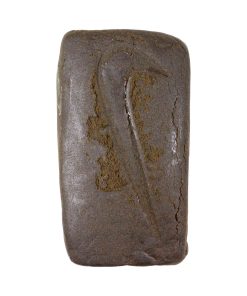
Concentrates
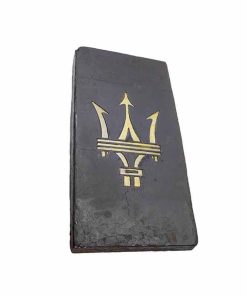
Concentrates
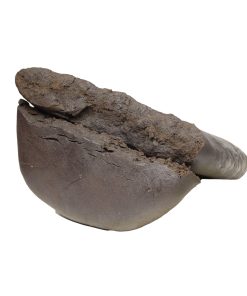
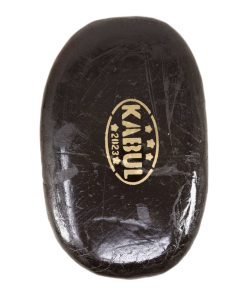
Concentrates
Concentrates
Uncategorized
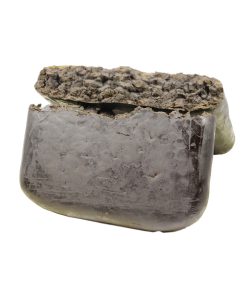
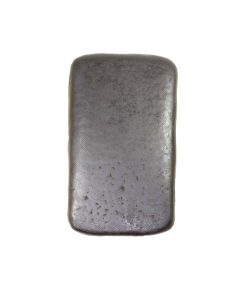
Concentrates
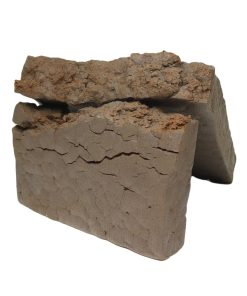
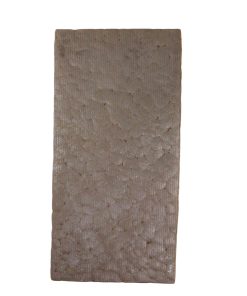
Concentrates
Concentrates
Concentrates
THCA Flower Online: Testing, Quality, Terpenes, Storage and Regulatory Guide
THCA flower is a widely discussed category within the modern cannabis and hemp market. However, understanding the product requires more than looking at a product name or advertised cannabinoid percentage.
When researching THCA Flower Online, readers should consider the cultivar, genetics, cannabinoid profile, terpene composition, laboratory testing, freshness, storage, packaging, and the laws that apply to their location.
Because cannabis is a biological product, two batches carrying the same cultivar name can have different chemical profiles. Therefore, reliable product information should distinguish between general strain characteristics and results from the specific batch being tested.
THCA Flower Genetics and Cultivars
Genetics influence many characteristics of cannabis flower.
A cultivar’s genetic background can affect:
-
Cannabinoid production
-
Terpene production
-
Flower structure
-
Resin production
-
Aroma
-
Flavor
-
Color
-
Plant development
Modern cannabis breeding has produced a large number of hybrid cultivars. Consequently, the terms indica, sativa, and hybrid should be treated as broad descriptions rather than guarantees of a particular chemical profile.
A specific cultivar name, genetic lineage, cannabinoid analysis, and terpene report can provide more detailed information.
Why THCA Flower Can Vary
Even flowers from the same cultivar can differ.
Several factors contribute to variation.
Genetics
Different genetic selections can express different cannabinoid and terpene characteristics.
Phenotype
Individual plants can express different traits despite sharing related genetics.
Growing Conditions
Light, temperature, humidity, nutrition, and other environmental conditions can influence plant development.
Harvest Timing
The stage at which flowers are harvested can affect their chemical composition.
Drying and Curing
Post-harvest handling influences aroma, texture, moisture, and overall flower condition.
Storage
Heat, light, air, and unsuitable moisture conditions can gradually affect cannabis compounds.
For these reasons, a product description should avoid implying that every batch is chemically identical.
THCA Flower Cannabinoids
Cannabinoids are naturally occurring compounds found in cannabis.
A laboratory analysis may identify:
-
THCA
-
Delta-9 THC
-
CBD
-
CBDA
-
CBG
-
CBGA
-
CBN
-
CBC
The exact concentrations depend on the cultivar and batch.
THCA
THCA is the acidic cannabinoid that naturally occurs in raw cannabis.
Delta-9 THC
Delta-9 THC is a separate cannabinoid commonly associated with cannabis intoxication.
CBD
CBD is another major cannabinoid found in cannabis and hemp.
CBG
CBG is a cannabinoid that can occur at varying concentrations depending on genetics.
A complete cannabinoid panel therefore provides more information than focusing only on the advertised THCA percentage.
THCA and Decarboxylation
THCA and THC are chemically related.
When THCA is exposed to sufficient heat, it can undergo decarboxylation, converting it into THC.
This is an important reason laboratory reports distinguish between THCA and delta-9 THC.
It also means that readers should not automatically treat the THCA percentage shown on a laboratory report as identical to the measured delta-9 THC percentage.
Understanding THCA Laboratory Results
A useful laboratory report should clearly identify the sample being tested.
Important information includes:
Product Identification
The report should identify the product or sample.
Batch Number
The batch number helps connect the laboratory result with a specific production lot.
Testing Date
The testing date shows when the sample was analyzed.
Cannabinoid Results
These provide measured concentrations of cannabinoids such as THCA, THC, CBD, CBG, and CBN.
Terpene Results
These identify selected aromatic compounds and their measured concentrations.
Contaminant Screening
Depending on the laboratory panel and applicable requirements, testing may cover pesticides, heavy metals, microbial contamination, residual solvents, and other contaminants.
Why a COA Matters
A Certificate of Analysis, or COA, provides measurable information about a specific laboratory sample.
For online cannabis information, a current batch-specific COA is more useful than a generic laboratory result because cannabinoid and terpene concentrations can change between production lots.
A strong product-information system should therefore connect:
Product → Batch → Laboratory Report
This makes the information easier to verify.
THCA Terpenes and Aroma
Terpenes contribute significantly to the aroma and flavor of cannabis.
Common cannabis terpenes include:
Myrcene
Often associated with earthy, herbal, musky, and fruity aromas.
Limonene
Commonly associated with citrus and lemon characteristics.
Caryophyllene
Often associated with peppery and spicy aromas.
Pinene
Associated with pine and fresh botanical characteristics.
Linalool
Often associated with floral aromas.
Humulene
Can contribute earthy and woody characteristics.
Terpinolene
Can contribute fresh, herbal, floral, and citrus notes.
The exact profile depends on genetics and cultivation.
Therefore, a laboratory terpene analysis is preferable to assuming that every THCA flower product has the same aroma.
THCA Flower Aroma Profiles
Different cultivars can produce very different aromas.
A THCA flower product may have:
-
Citrus notes
-
Berry aromas
-
Cherry characteristics
-
Pine
-
Earth
-
Spice
-
Floral notes
-
Tropical fruit
-
Herbal characteristics
-
Fuel-like aromas
The strain name can provide a general expectation, but the actual batch profile is better established through laboratory analysis and accurate product description.
THCA Flower Appearance
Visual characteristics can help describe flower quality, although they cannot establish potency.
Depending on the cultivar, flowers can have:
-
Dense buds
-
Green coloration
-
Purple highlights
-
Orange pistils
-
Visible trichomes
-
Resin-rich surfaces
Trichomes
Trichomes are small structures that produce and store cannabinoids and aromatic compounds.
Heavy trichome coverage can give flowers a frosty appearance.
However, visual inspection cannot determine exact THCA, THC, CBD, or terpene percentages.
Laboratory analysis remains the appropriate method for measuring these compounds.
Freshness and Post-Harvest Quality
Freshness is an important consideration for cannabis flower.
After harvesting, flower continues to change depending on environmental conditions.
Poor handling can affect:
-
Aroma
-
Flavor
-
Texture
-
Terpenes
-
Cannabinoids
-
Overall appearance
This is why drying, curing, packaging, and storage are important parts of product quality.
Drying THCA Flower
Drying reduces moisture after harvesting.
A controlled process helps prepare the flower for curing while maintaining its structure and aromatic characteristics.
Poor drying can negatively influence:
-
Texture
-
Aroma
-
Appearance
-
Storage stability
Careful post-harvest handling can therefore contribute to a more consistent finished product.
Curing THCA Flower
Curing follows drying and allows the flower to stabilize.
The process can influence:
-
Aroma
-
Flavor
-
Texture
-
Moisture balance
For terpene-rich cultivars, careful curing is especially relevant because volatile aromatic compounds contribute strongly to the identity of the flower.
THCA Flower Storage
Appropriate storage helps protect the finished product.
A suitable environment should generally be:
Cool: Avoid excessive heat.
Dark: Reduce prolonged direct light exposure.
Dry: Avoid excessive moisture.
Stable: Minimize large environmental fluctuations.
Secure: Keep cannabis products away from children and pets.
Suitable packaging can also reduce unnecessary exposure to the surrounding environment.
How to Compare THCA Flower Products
A useful comparison should consider several factors rather than one advertised number.
Cultivar
What specific cultivar is being described?
Genetics
Is the genetic background documented?
Cannabinoids
What do the current laboratory results show?
Terpenes
Which aromatic compounds are present?
Freshness
How has the flower been dried, cured, and stored?
Testing
Does the COA correspond to the actual batch?
Product Information
Are the label and online description consistent?
This approach creates a more accurate comparison.
THCA Flower and Indica, Sativa and Hybrid Labels
THCA flower can come from cultivars commonly described as:
-
Indica
-
Sativa
-
Hybrid
-
Indica-dominant
-
Sativa-dominant
However, modern cannabis genetics are highly hybridized.
Scientific research has found that traditional labels do not always accurately predict the genetic or chemical characteristics of commercial cannabis.
Therefore, readers should consider the specific cultivar and laboratory profile rather than assuming that the category alone determines the product’s characteristics.
THCA Flower and U.S. Regulation
The U.S. regulatory environment is particularly important for THCA products.
Federal hemp law was amended in 2025, and the revised definition is scheduled to take effect on November 12, 2026.
The amended framework moves toward a total-THC approach that includes THCA rather than relying only on delta-9 THC.
This is significant because THCA is directly relevant to the new calculation.
The amended framework also establishes additional restrictions concerning certain hemp-derived cannabinoid products.
Therefore, websites discussing THCA should regularly update their legal information.
State Laws Matter
Federal law is not the only consideration.
Individual states can establish additional requirements for:
-
Hemp
-
Cannabis
-
Retail products
-
Testing
-
Labeling
-
Packaging
-
Possession
-
Distribution
Consequently, the rules applicable to a THCA product can vary depending on location.
Readers should check current laws applicable to their jurisdiction rather than relying on a general statement about legality.
Responsible THCA Content
THCA product pages should focus on verifiable information.
Useful information includes:
-
Cannabinoid composition
-
Terpene profile
-
Genetics
-
Appearance
-
Aroma
-
Laboratory testing
-
Batch information
-
Storage
-
Applicable regulations
Websites should avoid unsupported claims that a product can diagnose, treat, cure, or prevent a disease.
The FDA states that it retains authority over cannabis and cannabis-derived products under federal law.
Building a Strong THCA Content Hub
For SEO, the main THCA Flower Online page can act as a central educational resource.
Related articles can naturally cover:
THCA vs THC
Explain the chemical relationship.
THCA Strains
Discuss different cultivars and genetic backgrounds.
THCA Terpenes
Explain aroma and terpene composition.
THCA COA
Teach readers how to understand laboratory reports.
THCA Flower Quality
Discuss genetics, cultivation, curing, and freshness.
THCA Regulations
Explain changing federal and state requirements.
This creates a broader topical structure without unnecessarily repeating the same keyword.
Internal Linking Opportunities
For Bulk Bud Supply, this page can naturally connect to related cannabis content such as:
-
Cannabis Flower Online
-
Buy Indica Online
-
Skywalker OG
-
Gorilla Glue
-
Godfather OG
-
Lemon Cherry Gelato
-
CBD Flower
-
Cannabis Terpenes
-
Cannabis Testing
Internal links should be placed where they genuinely help readers understand related subjects.
Final Thoughts
THCA Flower Online is a broad topic that covers cannabis genetics, cannabinoids, terpenes, flower quality, laboratory testing, freshness, storage, and regulation.
The most important distinction is between THCA and delta-9 THC. THCA naturally occurs in raw cannabis and can convert into THC through decarboxylation when exposed to sufficient heat.
The quality of a particular product should also be evaluated using multiple factors.
Genetics explain the cultivar’s background. Terpenes contribute to aroma and flavor. Cannabinoid testing provides measurable chemical information. Drying and curing influence flower condition, while storage can affect freshness over time.
For U.S. readers, the regulatory environment requires particular attention because the federal hemp definition is scheduled to change on November 12, 2026 and incorporates THCA into a total-THC calculation.
Keeping this information accurate and current will make a THCA resource more useful to both readers and search engines.
Frequently Asked Questions
What is THCA flower?
THCA flower is cannabis or hemp flower marketed according to its naturally occurring THCA content.
Does THCA flower contain THC?
It can contain measurable delta-9 THC as well as THCA. The actual amounts vary by cultivar and batch.
Can THCA become THC?
Yes. THCA can undergo decarboxylation when exposed to sufficient heat, producing THC.
What determines the aroma of THCA flower?
Genetics and terpenes are major factors. Cultivation, curing, and storage can also influence aroma.
What are common THCA flower terpenes?
Myrcene, limonene, caryophyllene, pinene, linalool, humulene, and terpinolene are among commonly encountered cannabis terpenes.
How can THCA content be verified?
A current laboratory Certificate of Analysis corresponding to the relevant batch provides measurable cannabinoid results.
Why can THCA flower vary between batches?
Genetics, phenotype, cultivation conditions, harvest timing, drying, curing, and storage can all affect the final chemical profile.
How should THCA flower be stored?
Generally, it should be kept in a cool, dry, dark, stable environment and securely away from children and pets.
Are THCA regulations changing?
Yes. The amended federal hemp definition is scheduled to take effect November 12, 2026 and includes THCA within a total-THC framework.
Does state law affect THCA products?
Yes. States can establish requirements that differ from federal rules, so current local regulations should always be checked.