Hemp Flower Online: Quality, Genetics, Terpenes, Cannabinoids and Testing Guide
Hemp flower has become an important topic for people researching cannabis, cannabinoids, cultivation, and hemp-derived products online. Searches for Hemp Flower Online can cover many different questions, including what hemp flower is, how it differs from marijuana, how cannabinoids and terpenes work, how flower quality is evaluated, and how laboratory testing can help verify product information.
Hemp flower comes from the cannabis plant and can contain naturally occurring cannabinoids, terpenes, and other plant compounds. The exact chemical profile depends on genetics, cultivation, harvest timing, drying, curing, storage, and the specific batch.
For that reason, a good hemp flower resource should go beyond a simple product description. It should explain the science, quality factors, testing, freshness, and changing regulations in clear language.
What Is Hemp Flower?
Hemp flower refers to the flowering material of hemp plants.
Like other cannabis flowers, hemp flower can contain naturally occurring compounds such as:
- Cannabidiol (CBD)
- Cannabigerol (CBG)
- Tetrahydrocannabinolic acid (THCA)
- Small amounts of delta-9 THC
- Terpenes
- Flavonoids
- Other plant compounds
The exact composition depends on the cultivar and growing conditions.
Under the federal framework created by the 2018 Farm Bill, hemp was defined using a limit of no more than 0.3% delta-9 THC on a dry-weight basis. However, federal law was amended in 2025, with major changes scheduled to take effect on November 12, 2026. The revised definition uses a total-THC calculation that includes THCA. (Congress.gov)
That upcoming change is particularly important when researching hemp flower in 2026.
Hemp Flower vs Marijuana Flower
Hemp and marijuana are both forms of cannabis.
The distinction has historically been based largely on THC concentration under federal law.
Hemp has generally been associated with lower levels of delta-9 THC, while marijuana products are typically associated with higher THC concentrations.
However, legal definitions can change, and state laws can differ from federal requirements.
Therefore, the terms should not be treated as interchangeable when discussing legal compliance.
Hemp Flower Genetics
Genetics play a major role in determining the characteristics of hemp flower.
A cultivar’s genetic background can influence:
- Cannabinoid production
- Terpene production
- Flower structure
- Resin production
- Aroma
- Flavor
- Color
- Plant development
- Maturation
Modern hemp breeding has produced many cultivars selected for different cannabinoid and terpene profiles.
Some cultivars are developed to emphasize CBD, while others are bred for CBG or particular aromatic characteristics.
Hemp Flower Cultivars
Hemp flower is available in many genetic varieties.
Different cultivars may produce:
CBD-Dominant Profiles
These are generally bred to produce higher CBD concentrations while maintaining low levels of delta-9 THC under the applicable regulatory framework.
CBG-Dominant Profiles
These cultivars are selected for increased cannabigerol production.
Aromatic Cultivars
Some breeding programs emphasize specific terpene combinations and distinctive aromas.
Traditional Cannabis Genetics
Some hemp cultivars contain genetics related to well-known cannabis families but are selected for different cannabinoid characteristics.
The cultivar name alone does not guarantee a specific chemical profile.
A laboratory report provides more reliable batch information.
Hemp Flower Appearance
Hemp flower can display a wide range of visual characteristics.
Depending on genetics and cultivation, flowers may feature:
- Light green coloration
- Dark green tones
- Purple highlights
- Orange pistils
- Dense buds
- Visible trichomes
- Resin-rich surfaces
Appearance can help describe the product, but it cannot establish exact cannabinoid concentration.
A visually impressive flower is not automatically more potent or higher quality.
Understanding Hemp Flower Trichomes
Trichomes are tiny structures found on cannabis flowers.
They produce and store many of the plant’s cannabinoids and terpenes.
Under magnification, trichomes can appear like small crystals covering the flower.
They contribute to:
- Resin production
- Aroma
- Cannabinoid content
- Terpene content
- Visual appearance
However, the number or appearance of trichomes cannot accurately determine CBD, CBG, THC, or THCA concentration.
Laboratory analysis remains the better method for measuring cannabinoids.
Hemp Flower Aroma
Aroma is one of the most noticeable characteristics of hemp flower.
Depending on genetics and terpene composition, hemp flower may have:
- Citrus aromas
- Lemon
- Berry
- Floral notes
- Pine
- Earth
- Herbal characteristics
- Spice
- Tropical fruit
- Woody notes
- Sweet aromas
There is no single hemp flower aroma.
Each cultivar can produce a different combination of volatile compounds.
Hemp Flower Terpenes
Terpenes are naturally occurring aromatic compounds found in hemp, cannabis, and many other plants.
They contribute significantly to the smell and flavor of hemp flower.
Myrcene
Myrcene is commonly associated with earthy, herbal, musky, and fruity characteristics.
Limonene
Limonene is associated with citrus and lemon-like aromas.
Caryophyllene
Caryophyllene can contribute peppery and spicy characteristics.
Pinene
Pinene is commonly associated with pine and fresh botanical aromas.
Linalool
Linalool can contribute floral and sweet botanical characteristics.
Humulene
Humulene can contribute earthy and woody notes.
Terpinolene
Terpinolene can contribute fresh, herbal, floral, and citrus characteristics.
The actual terpene profile varies between cultivars and batches.
Therefore, a laboratory terpene analysis is more useful than assuming a particular aroma based solely on the product name.
Why Terpenes Matter
Terpenes help explain why two hemp flowers can smell completely different even when their cannabinoid profiles are similar.
For example, one cultivar might have a citrus-forward profile while another may emphasize earth, pine, or floral notes.
This makes terpene information valuable when comparing hemp flower.
A detailed product description should therefore explain both cannabinoids and aromatic characteristics.
Hemp Flower Cannabinoids
Hemp flower can contain several cannabinoids.
Common examples include:
- CBD
- CBDA
- CBG
- CBGA
- THCA
- Delta-9 THC
- CBN
- CBC
The concentrations vary according to genetics and cultivation.
CBD
Cannabidiol, or CBD, is one of the most widely known cannabinoids associated with hemp.
CBG
Cannabigerol is another naturally occurring cannabinoid that has received increasing attention in hemp breeding and research.
THCA
THCA is the acidic precursor to THC.
Delta-9 THC
Delta-9 THC is the cannabinoid most commonly associated with cannabis intoxication.
A complete laboratory report can show how these compounds are distributed within a specific batch.
Hemp Flower and CBD
CBD is one of the best-known cannabinoids associated with hemp.
However, the presence of CBD does not mean that every hemp flower has the same CBD concentration.
Genetics, plant maturity, growing conditions, and harvest timing can influence CBD levels.
For this reason, product-specific laboratory testing is useful.
The FDA also makes clear that it retains regulatory authority over cannabis and cannabis-derived products, regardless of whether a product is classified as hemp under the federal agricultural definition. (U.S. Food and Drug Administration)
Hemp Flower and CBG
CBG has become another important area of hemp breeding.
Some cultivars are specifically selected for higher CBG production.
As with CBD, however, CBG concentration can vary between plants and batches.
A laboratory cannabinoid profile provides more reliable information than a general cultivar description.
THCA in Hemp Flower
THCA deserves particular attention because of changing federal regulations.
THCA naturally occurs in cannabis flower.
When exposed to sufficient heat, it can undergo decarboxylation and form delta-9 THC.
Under the amended federal hemp definition scheduled to take effect November 12, 2026, THCA is specifically included in the total-THC calculation. (Congress.gov)
This means hemp flower producers and websites discussing hemp products need to pay close attention to the updated federal framework.
How Hemp Flower Quality Is Evaluated
Quality involves several factors rather than one number.
A useful evaluation can include:
Genetics
Is the cultivar clearly identified?
Cannabinoids
Are current laboratory results available?
Terpenes
Is there a documented terpene profile?
Appearance
Does the flower have a healthy and consistent appearance?
Aroma
Does the product have a clear and natural aromatic profile?
Freshness
Has the flower been appropriately dried and cured?
Testing
Does the COA correspond to the actual production batch?
These factors together provide a more complete picture of quality.
Hemp Flower Freshness
Freshness can influence the overall condition of hemp flower.
Exposure to unsuitable conditions can affect:
- Aroma
- Flavor
- Texture
- Terpenes
- Cannabinoids
- Color
Heat, light, air, moisture, and storage time can all influence the product.
Therefore, post-harvest handling should be considered an important part of hemp flower quality.
Drying Hemp Flower
Drying is one of the first major stages after harvest.
Freshly harvested hemp flower contains considerable moisture.
Controlled drying gradually reduces moisture while helping preserve flower structure and aromatic characteristics.
Poor drying can affect:
- Texture
- Aroma
- Appearance
- Storage stability
A carefully managed drying process can help produce more consistent flower.
Curing Hemp Flower
Curing follows drying.
During curing, the flower stabilizes under controlled conditions.
Proper curing can help maintain:
- Aroma
- Flavor
- Texture
- Moisture balance
For terpene-rich cultivars, post-harvest handling can be particularly important because aromatic compounds contribute strongly to the identity of the flower.
Hemp Flower Storage
Proper storage can help maintain product quality.
A suitable environment should generally be:
Cool: Avoid excessive heat.
Dark: Limit prolonged direct light exposure.
Dry: Avoid excessive moisture.
Stable: Reduce large temperature and environmental changes.
Secure: Keep hemp products away from children and pets.
Appropriate packaging can also help reduce unnecessary environmental exposure.
How to Read a Hemp Flower COA
A Certificate of Analysis, or COA, provides laboratory information about a particular sample or batch.
When reviewing one, check the following.
Product Identification
Make sure the report identifies the relevant product.
Batch Number
The batch number helps connect the laboratory report with a particular production lot.
Testing Date
Check when the sample was analyzed.
Cannabinoid Panel
Look for CBD, CBG, THCA, delta-9 THC, CBN, CBC, and other measured cannabinoids.
Terpene Panel
Review the identified aromatic compounds.
Contaminant Testing
Depending on the testing program, a laboratory report may include screening for pesticides, heavy metals, microbial contamination, residual solvents, and other contaminants.
A current, batch-specific COA provides more useful information than a generic test result.
Why Batch-Specific Testing Matters
Hemp is an agricultural product.
Even the same cultivar can produce different results between harvests.
Batch differences can occur in:
- CBD
- CBG
- THCA
- Delta-9 THC
- Terpenes
- Aroma
- Color
- Flower density
- Resin production
Therefore, websites should avoid presenting one generic laboratory result as representative of every future batch.
Hemp Flower and Laboratory Transparency
Transparent product information can help readers understand what they are researching.
A useful hemp flower page can provide:
- Cultivar name
- Cannabinoid profile
- Terpene information
- Batch number
- Testing date
- COA
- Cultivation information
- Storage information
This type of information is also useful for distinguishing factual product descriptions from unsupported marketing claims.
Hemp Flower vs CBD Flower
The terms hemp flower and CBD flower are sometimes used interchangeably, but they are not always identical.
“Hemp flower” describes flower from hemp plants under the applicable legal definition.
“CBD flower” generally emphasizes the flower’s CBD content.
A hemp flower product can contain CBD along with other cannabinoids.
Therefore, laboratory testing is useful when determining the actual chemical profile.
Hemp Flower vs Cannabis Flower
The terms can be confusing because hemp is itself cannabis.
The key distinction is generally based on cannabinoid concentration and applicable law rather than the physical appearance of the plant.
Hemp flower can look, smell, and develop similarly to other cannabis flowers.
The chemical profile and legal classification provide the more important distinctions.
U.S. Hemp Regulations in 2026
Federal hemp regulation is undergoing a significant change.
The 2018 Farm Bill defined hemp using a delta-9 THC threshold of 0.3% on a dry-weight basis. Congress later amended the federal definition through P.L. 119-37.
The revised definition uses total THC, including THCA, rather than relying only on delta-9 THC. The new definition is scheduled to take effect on November 12, 2026. (Congress.gov)
The law also establishes additional restrictions affecting certain hemp-derived cannabinoid products.
This means that information published about hemp flower should be updated as the effective date approaches.
State Hemp Laws
Federal law is only one part of the regulatory picture.
States can establish their own requirements concerning:
- Hemp cultivation
- Hemp flower
- Cannabinoid products
- Testing
- Packaging
- Labeling
- Retail sales
- Possession
- Distribution
Therefore, a statement that hemp flower is “legal everywhere” would be inaccurate.
Readers should verify the current requirements applicable to their state.
FDA and Hemp-Derived Products
The FDA states that the 2018 Farm Bill preserved its authority over products containing cannabis and cannabis-derived compounds. (U.S. Food and Drug Administration)
The agency also states that it has not approved cannabis for treatment of any disease or condition, although it has approved specific prescription cannabis-derived and cannabis-related medicines. (U.S. Food and Drug Administration)
Therefore, hemp flower pages should avoid unsupported medical claims.
Product descriptions should instead focus on verifiable information such as:
- Cannabinoid content
- Terpene composition
- Genetics
- Appearance
- Aroma
- Laboratory testing
- Batch information
Responsible Hemp Flower Information
A responsible hemp flower page should clearly distinguish between product characteristics and medical claims.
Avoid statements suggesting that hemp flower can:
- Cure a disease
- Treat a medical condition
- Replace prescribed medication
- Guarantee a specific health outcome
Instead, explain what can be measured and verified.
This creates more trustworthy content for readers.
Hemp Flower Online Search Intent
People searching Hemp Flower Online may be looking for several different things.
They may search:
- Hemp flower
- CBD flower
- Hemp flower strains
- Hemp flower genetics
- Hemp flower CBD
- Hemp flower CBG
- Hemp flower terpenes
- Hemp flower COA
- Hemp flower testing
- Hemp flower quality
- Hemp flower regulations
A comprehensive page can address these related searches naturally without excessive keyword repetition.
Recommended Internal Linking
For Bulk Bud Supply, this page can work as a central educational resource.
Natural internal links can connect to related content such as:
CBD Flower Online
THCA Flower Online
Cannabis Flower Online
Buy Indica Online
Skywalker OG
Gorilla Glue
Lemon Cherry Gelato
Cannabis Terpenes
Cannabis Laboratory Testing
This creates a connected content structure that helps readers explore related topics.
Hemp Flower SEO Strategy
For the focus keyphrase Hemp Flower Online, avoid placing the exact phrase in every paragraph.
Instead, naturally include related terms such as:
- Hemp flower
- Hemp flower online
- CBD flower
- Hemp strains
- Hemp genetics
- Hemp terpenes
- Hemp cannabinoids
- Hemp COA
- Hemp laboratory testing
- Hemp flower quality
- Hemp flower regulations
This provides semantic depth while keeping the writing natural.
Final Thoughts on Hemp Flower Online
Hemp Flower Online is a broad topic covering genetics, cannabinoids, terpenes, flower quality, laboratory testing, freshness, storage, and regulation.
Hemp flower can contain naturally occurring cannabinoids such as CBD, CBG, THCA, and small amounts of delta-9 THC, depending on the cultivar and batch.
The most reliable way to understand a particular product is to examine its cultivar, cannabinoid profile, terpene profile, batch information, laboratory testing, freshness, and applicable legal requirements.
Federal regulation is especially important in 2026 because the federal definition of hemp is scheduled to change on November 12, 2026. The amended definition includes THCA in a total-THC calculation, making cannabinoid testing and compliance increasingly important for the hemp industry. (Congress.gov)
For website content, keeping regulatory information current and avoiding unsupported medical claims can make a hemp flower page more accurate, useful, and trustworthy.
Frequently Asked Questions
What is hemp flower?
Hemp flower is the flowering material of hemp plants and can contain cannabinoids such as CBD, CBG, THCA, and small amounts of delta-9 THC.
Is hemp flower the same as CBD flower?
Not necessarily. Hemp flower describes the plant material and its legal classification, while CBD flower emphasizes its CBD content.
What cannabinoids are found in hemp flower?
Depending on the cultivar, hemp flower can contain CBD, CBG, THCA, delta-9 THC, CBN, CBC, and other cannabinoids.
What gives hemp flower its aroma?
Terpenes and other naturally occurring volatile compounds contribute significantly to aroma and flavor.
What are common hemp flower terpenes?
Myrcene, limonene, caryophyllene, pinene, linalool, humulene, and terpinolene are among commonly identified cannabis terpenes.
How can I verify the cannabinoid content of hemp flower?
A current laboratory Certificate of Analysis corresponding to the relevant batch provides measurable cannabinoid results.
Why can hemp flower vary between batches?
Genetics, phenotype, cultivation conditions, harvest timing, drying, curing, and storage can all influence the final chemical profile.
How should hemp flower be stored?
Generally, hemp flower should be kept cool, dry, dark, stable, and securely away from children and pets.
Are hemp flower laws changing in the United States?
Yes. The federal definition of hemp was amended in 2025, with the revised definition scheduled to take effect November 12, 2026. It includes THCA in the total-THC calculation. (Congress.gov)
Does the FDA approve hemp flower for medical treatment?
The FDA has not approved cannabis for treatment of any disease or condition, apart from specific approved prescription cannabis-derived and cannabis-related medicines. (U.S. Food and Drug Administration)
Uncategorized
Uncategorized
Concentrates
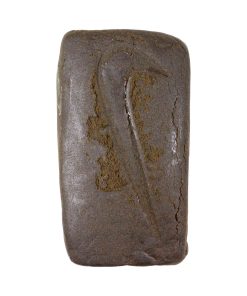
Concentrates
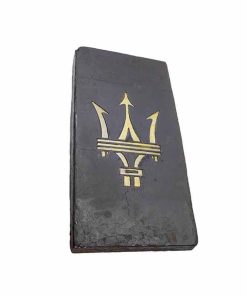
Concentrates
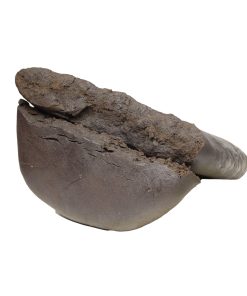
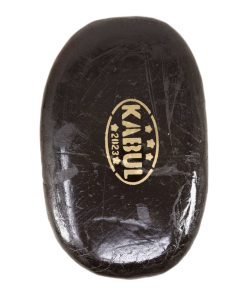
Concentrates
Concentrates
Uncategorized
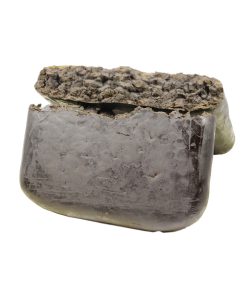
Concentrates
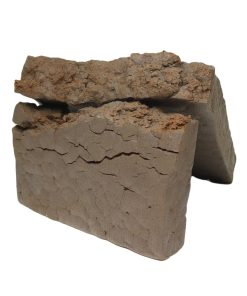
Concentrates
Concentrates
Concentrates
Hemp Flower Online: Quality, Cannabinoids, Terpenes, Testing and U.S. Regulations
Hemp flower is a diverse category of cannabis flower that can contain cannabinoids such as CBD, CBG, THCA, and delta-9 THC, together with naturally occurring terpenes and other plant compounds.
For readers researching Hemp Flower Online, understanding the product involves more than looking at a strain name or one advertised cannabinoid percentage. Genetics, cultivation, harvest timing, drying, curing, storage, laboratory testing, and applicable regulations can all influence the final product.
Because hemp is an agricultural product, natural variation between cultivars and batches is expected. A good educational resource should therefore explain how to evaluate hemp flower using measurable information rather than unsupported marketing claims.
Hemp Flower Genetics and Cultivars
Genetics influence many of the characteristics found in hemp flower.
A cultivar can differ from another cultivar in:
-
Cannabinoid concentration
-
Terpene composition
-
Flower structure
-
Resin production
-
Aroma
-
Flavor
-
Color
-
Plant development
-
Maturation period
Modern hemp breeding has produced cultivars selected for particular cannabinoid and terpene characteristics.
Some varieties emphasize CBD, while others are developed around CBG or specific aromatic profiles.
The term hemp flower therefore describes a broad category rather than one specific strain.
Why Hemp Cultivars Can Look Different
Genetics and growing conditions can produce substantial visual differences.
One cultivar may produce compact green flowers with strong trichome coverage, while another may develop lighter flowers with different bud structures.
Appearance can be influenced by:
-
Genetics
-
Light exposure
-
Growing conditions
-
Plant maturity
-
Harvest timing
-
Drying
-
Curing
Therefore, photographs can help describe a product, but they cannot establish its precise cannabinoid content.
Hemp Flower Trichomes
Trichomes are microscopic structures found on cannabis flowers.
They are important because they produce and store many of the plant’s cannabinoids and terpenes.
Heavy trichome coverage can create a frosty appearance.
However, visual inspection cannot accurately establish:
-
CBD percentage
-
CBG percentage
-
THCA percentage
-
Delta-9 THC percentage
-
Total terpene concentration
Laboratory testing is required for reliable measurements.
Hemp Flower Aroma and Flavor
Aroma and flavor are strongly influenced by terpene composition.
Different cultivars may produce profiles featuring:
Citrus
Often associated with limonene and related aromatic compounds.
Pine
Commonly associated with pinene.
Earth and Herbs
Often associated with compounds such as myrcene and humulene.
Spice
Caryophyllene can contribute peppery characteristics.
Floral
Linalool and other aromatic compounds can contribute floral notes.
Tropical and Fruity
Some cultivars are selectively bred for fruit-forward aromatic profiles.
The actual profile can vary between batches, so these descriptions should be treated as general cultivar characteristics rather than guarantees.
Hemp Flower Terpene Testing
A terpene laboratory report can provide additional information about a flower’s aromatic composition.
A report may identify compounds such as:
-
Myrcene
-
Limonene
-
Caryophyllene
-
Pinene
-
Linalool
-
Humulene
-
Terpinolene
The relative concentration of these compounds can help explain why different hemp cultivars smell and taste different.
For an SEO-focused educational page, discussing terpenes also creates useful connections to related searches such as hemp flower terpenes, CBD flower terpenes, and hemp strain profiles.
Hemp Flower Cannabinoids
Cannabinoids are another major component of hemp flower.
Depending on genetics, a laboratory report can identify:
-
CBD
-
CBDA
-
CBG
-
CBGA
-
THCA
-
Delta-9 THC
-
CBN
-
CBC
The amount of each cannabinoid can vary considerably.
This is why a product’s laboratory analysis is more useful than assuming that every flower with the same cultivar name has the same cannabinoid profile.
CBD and CBDA
CBD and CBDA are closely related cannabinoids.
CBDA is the acidic precursor associated with CBD in raw plant material.
Cannabinoid profiles can change depending on genetics and post-harvest processing.
Consequently, laboratory reports may list CBD and CBDA separately.
CBG and CBGA
CBG is another naturally occurring cannabinoid.
Its acidic precursor is CBGA.
Some hemp breeding programs focus specifically on CBG-rich cultivars.
As with CBD, the actual concentration should be verified through current laboratory testing rather than inferred from the cultivar name alone.
THCA in Hemp Flower
THCA deserves particular attention when discussing hemp flower.
THCA is naturally present in cannabis plants and is chemically related to delta-9 THC.
When sufficient heat is applied, THCA can undergo decarboxylation and convert into THC.
This relationship has become especially important in the U.S. regulatory environment because federal legislation enacted in 2025 changes the hemp definition to incorporate THCA into a total-THC calculation. The revised definition is scheduled to take effect on November 12, 2026.
For that reason, hemp businesses and publishers should keep regulatory information current.
Why Laboratory Testing Matters
Laboratory testing provides information that cannot reliably be determined from appearance or marketing language.
A comprehensive report can provide:
Cannabinoid Testing
Measured concentrations of cannabinoids such as CBD, CBG, THCA, and delta-9 THC.
Terpene Testing
Information about the aromatic compounds detected in the sample.
Contaminant Testing
Depending on the applicable requirements, testing can include pesticides, heavy metals, microbial contamination, residual solvents, and other substances.
Batch Information
A batch number connects laboratory results to a particular production lot.
How to Review a Hemp Flower COA
When examining a Certificate of Analysis, look at several sections.
1. Product Identification
Confirm that the report corresponds to the relevant product.
2. Batch Number
Check that the batch number matches the product documentation.
3. Testing Date
Review when the sample was analyzed.
4. Cannabinoid Results
Look at the measured cannabinoid concentrations.
5. Terpene Results
Review the listed aromatic compounds.
6. Safety Testing
Check which contaminants were included in the laboratory panel.
A COA should be considered a source of analytical information rather than proof that every future batch will have identical results.
Batch-to-Batch Variation
Natural agricultural products vary.
Hemp flower can differ between harvests because of:
-
Genetics
-
Phenotype
-
Growing environment
-
Plant maturity
-
Harvest timing
-
Drying
-
Curing
-
Storage
Consequently, cannabinoid and terpene results from one batch should not automatically be presented as the results of another batch.
This is one of the most important principles for maintaining accurate product information.
Hemp Flower Freshness
Freshness can influence the sensory characteristics of flower.
Over time, unsuitable conditions can affect:
-
Aroma
-
Flavor
-
Texture
-
Color
-
Terpenes
-
Cannabinoids
Storage conditions therefore matter even after laboratory testing has been completed.
A laboratory report describes the sample at the time it was tested. It does not eliminate the importance of appropriate subsequent storage.
Drying and Curing Hemp Flower
Drying
Drying reduces moisture after harvest.
Controlled drying can help preserve the physical structure and aromatic characteristics of the flower.
Curing
Curing follows drying and allows the flower to stabilize.
Proper post-harvest handling can contribute to:
-
Better texture
-
More consistent aroma
-
Improved storage stability
-
Preservation of desirable characteristics
These processes are important when evaluating overall flower quality.
Hemp Flower Storage
Appropriate storage helps protect the product from environmental exposure.
Generally, hemp flower should be protected from:
-
Excessive heat
-
Direct light
-
Excessive moisture
-
Major environmental changes
It should also be stored securely away from children and pets.
Packaging should comply with applicable requirements and help protect the product during storage.
Hemp Flower Quality Checklist
Readers researching Hemp Flower Online can use a simple checklist.
Cultivar
Is the specific cultivar clearly identified?
Genetics
Is reliable genetic information available?
Cannabinoids
Are current laboratory results provided?
Terpenes
Is there a documented terpene profile?
Batch
Does the COA correspond to the relevant batch?
Freshness
Is information about drying, curing, and storage available?
Packaging
Is the product appropriately packaged and labeled?
Regulations
Does the information acknowledge that hemp laws can differ by jurisdiction?
This approach provides a more complete evaluation than relying on one advertised percentage.
Hemp Flower and CBD Flower
The terms hemp flower and CBD flower can overlap, but they do not necessarily mean exactly the same thing.
Hemp flower refers broadly to flowering hemp material.
CBD flower generally emphasizes a cannabinoid profile in which CBD is a significant component.
A hemp flower can contain CBD along with other cannabinoids.
Therefore, laboratory results provide the clearest way to understand the actual composition.
Hemp Flower and Cannabis Flower
Hemp is part of the cannabis plant family.
The legal distinction has historically focused on cannabinoid concentration rather than whether the plant visually resembles other cannabis varieties.
This means that hemp flower can look and smell similar to other cannabis flower while having a different cannabinoid profile and legal classification.
Because regulations are changing, current federal and state requirements should always be checked.
U.S. Hemp Regulation in 2026
The U.S. hemp regulatory framework is undergoing an important transition.
The 2018 federal framework used a delta-9 THC threshold for defining hemp.
However, legislation enacted in 2025 amended the federal definition.
The revised framework uses total THC, including THCA, and is scheduled to take effect on November 12, 2026.
This change is especially relevant to hemp flower because THCA can contribute to the total-THC calculation.
The legislation also establishes additional restrictions affecting certain hemp-derived cannabinoid products.
State Regulations
Federal rules do not tell the entire story.
Individual states can establish additional requirements concerning:
-
Hemp cultivation
-
Hemp-derived products
-
Testing
-
Labeling
-
Packaging
-
Retail
-
Possession
-
Distribution
Therefore, a statement that hemp flower is legal everywhere would be misleading.
A more accurate approach is to explain that applicable requirements depend on the jurisdiction and can change.
FDA Considerations
The FDA states that it maintains regulatory authority over cannabis and cannabis-derived products under federal law.
The agency also states that it has not approved cannabis for the treatment of any disease or condition, apart from specific approved cannabis-derived or cannabis-related prescription medicines.
Therefore, hemp flower content should avoid unsupported therapeutic or disease-treatment claims.
Instead, product information can focus on measurable characteristics such as:
-
Cannabinoid composition
-
Terpene profile
-
Genetics
-
Aroma
-
Appearance
-
Laboratory testing
-
Batch information
Building a Hemp Flower SEO Content Cluster
The Hemp Flower Online page can serve as a central educational article.
Supporting content can cover:
CBD Flower
Explain CBD-dominant hemp flower and its laboratory profile.
CBG Flower
Discuss CBG-focused cultivars.
THCA Flower
Explain THCA, THC, testing, and regulatory changes.
Hemp Terpenes
Explain aroma and terpene composition.
Hemp COA
Teach readers how to interpret laboratory reports.
Hemp Genetics
Explain cultivars, phenotypes, and breeding.
Hemp Flower Quality
Discuss appearance, freshness, curing, and storage.
This structure can help organize related content around the broader hemp flower topic.
Internal Linking for Bulk Bud Supply
Relevant pages can be connected naturally where they help the reader.
For example:
Hemp Flower Online → CBD Flower Online
Hemp Flower Online → THCA Flower Online
Hemp Flower Online → Cannabis Flower Online
Hemp Flower Online → Cannabis Terpenes
Hemp Flower Online → Cannabis Laboratory Testing
Hemp Flower Online → Hemp Regulations
Internal links should provide additional information rather than simply repeating keywords.
Hemp Flower Search Intent
People searching Hemp Flower Online may have different questions.
Some may want to understand:
-
What hemp flower is
-
How hemp differs from marijuana
-
CBD versus CBG flower
-
Hemp flower strains
-
Hemp flower terpenes
-
Hemp flower COAs
-
Hemp flower quality
-
Hemp flower storage
-
Hemp flower regulations
A comprehensive article can address these related questions while maintaining one clear primary topic.
How to Improve the Page for SEO
For Yoast-focused optimization, keep the main keyphrase visible in important locations without overusing it.
Recommended placements include:
-
H1
-
Introduction
-
One or two H2 sections where natural
-
Meta title
-
Meta description
-
URL slug
-
Image alt text
-
Conclusion
Use related phrases throughout the article naturally.
Examples include:
hemp flower
CBD flower
hemp strains
hemp cannabinoids
hemp terpenes
hemp COA
hemp flower testing
hemp flower quality
hemp regulations
This creates semantic relevance without keyword stuffing.
Final Thoughts on Hemp Flower Online
Hemp Flower Online is a broad topic that combines cannabis genetics, cannabinoids, terpenes, cultivation, laboratory testing, freshness, storage, and regulation.
Hemp flower can contain cannabinoids such as CBD, CBG, THCA, delta-9 THC, CBN, and CBC, although the exact profile varies between cultivars and batches.
For that reason, the strongest way to evaluate a particular flower is to consider the cultivar, cannabinoid profile, terpene composition, batch information, current COA, freshness, storage, and applicable laws.
The regulatory landscape deserves special attention in 2026. Federal legislation enacted in 2025 is scheduled to change the hemp definition on November 12, 2026, including THCA within a total-THC framework.
Keeping this information updated will make the page more useful to readers and reduce the risk of relying on outdated regulatory information.
Frequently Asked Questions
What is hemp flower?
Hemp flower is the flowering material of hemp plants containing naturally occurring cannabinoids, terpenes, and other plant compounds.
Is hemp flower the same as CBD flower?
Not necessarily. Hemp flower is a broader category, while CBD flower generally emphasizes a CBD-rich cannabinoid profile.
What cannabinoids can hemp flower contain?
Depending on the cultivar, hemp flower can contain CBD, CBG, THCA, delta-9 THC, CBN, CBC, and other cannabinoids.
What gives hemp flower its smell?
Terpenes and other volatile compounds contribute significantly to hemp flower’s aroma.
Why can two hemp flowers smell different?
Different genetics and terpene profiles can produce very different aromatic characteristics.
What is a hemp flower COA?
A COA, or Certificate of Analysis, is a laboratory report containing analytical results for a particular hemp sample or batch.
Why is the batch number important?
It helps connect the laboratory results to the specific production lot being evaluated.
Can hemp flower contain THCA?
Yes. THCA naturally occurs in cannabis plants, including some hemp cultivars.
Why is THCA important for hemp regulation?
The revised federal hemp definition scheduled for November 12, 2026 includes THCA within its total-THC calculation.
How should hemp flower be stored?
Generally, it should be protected from excessive heat, light, moisture, and environmental changes and stored securely away from children and pets.
Are hemp flower laws the same in every state?
No. Federal and state requirements can differ, and regulations can change over time.
Can hemp flower pages make medical claims?
Product pages should avoid unsupported claims that hemp flower diagnoses, treats, cures, or prevents diseases. The FDA maintains regulatory authority over cannabis and cannabis-derived products.