
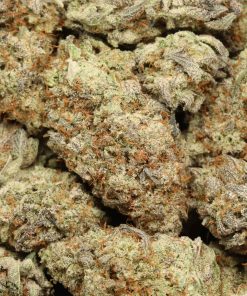
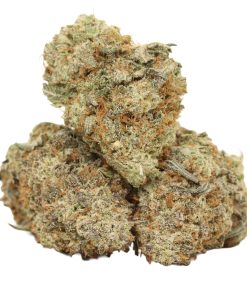
Black Tuna
Price range: $91.00 through $855.00
Black Tuna is a cannabis cultivar recognized for dense resin-rich flowers, heavy trichome coverage, and pungent earthy, fuel, pine, and herbal characteristics. Exact genetics and cannabinoid concentrations can vary, so batch-specific laboratory results provide the most reliable product information.
Black Tuna | Cannabis Strain Guide
Black Tuna is a cannabis cultivar recognized for dense, resin-rich flowers, strong aromatic characteristics, and a distinctive terpene profile. The name is commonly associated with pungent, earthy, and fuel-forward cannabis, although exact genetics and chemical composition can vary between breeders and producers.
For accurate product information, the specific Black Tuna batch should be evaluated using verified genetic information and current laboratory testing. Additionally, cultivation, drying, curing, and storage practices can significantly influence the final aroma, appearance, and cannabinoid profile.
What Is Black Tuna?
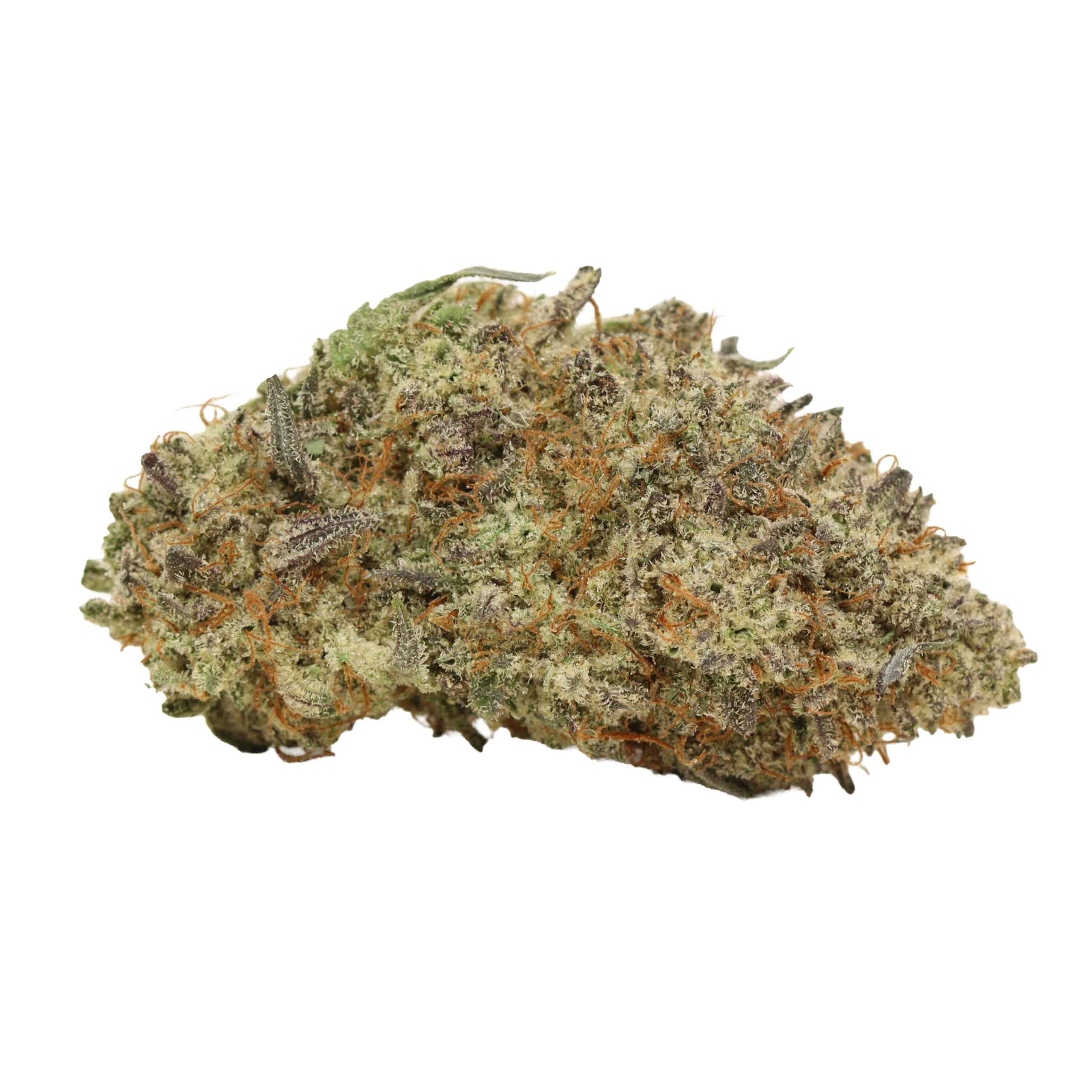
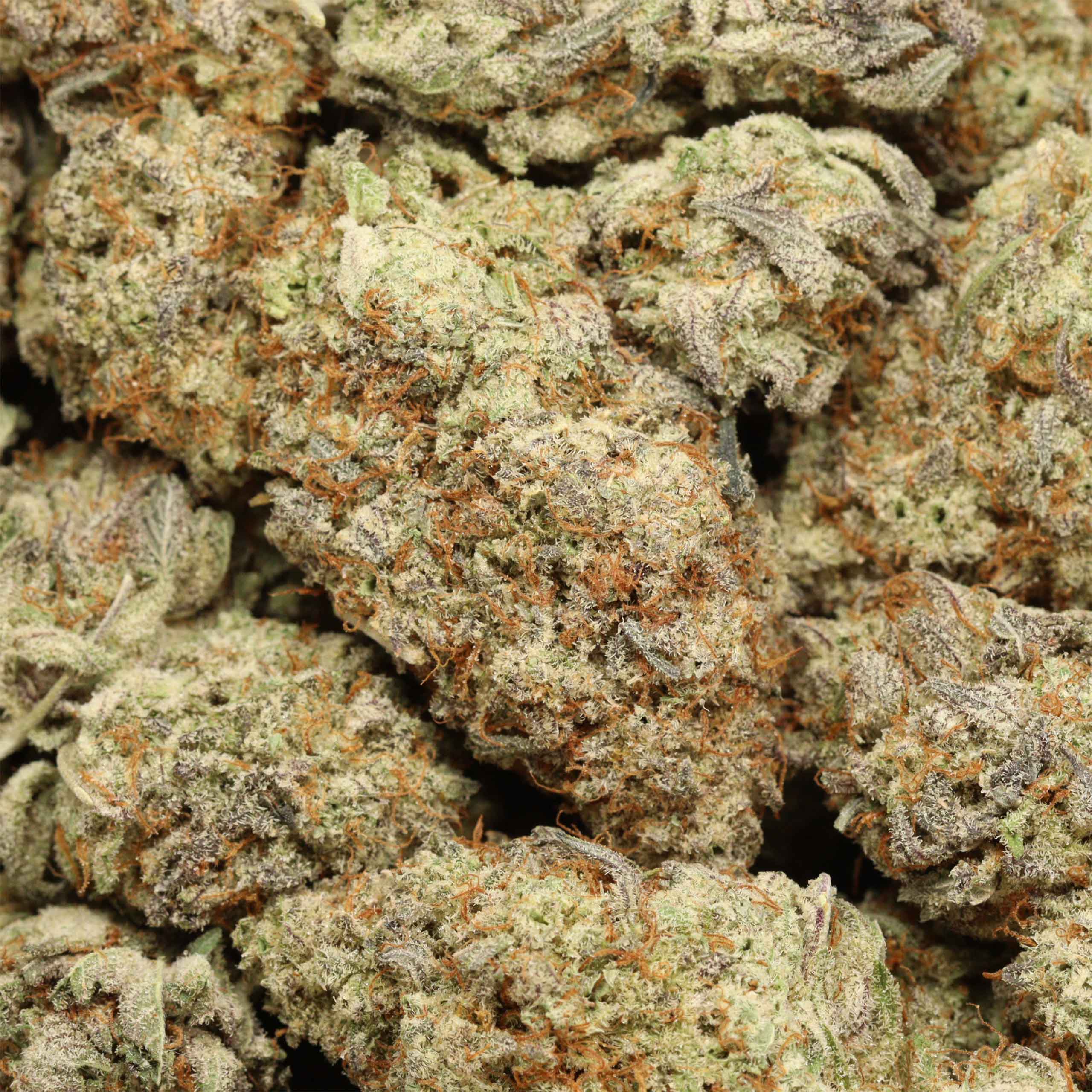
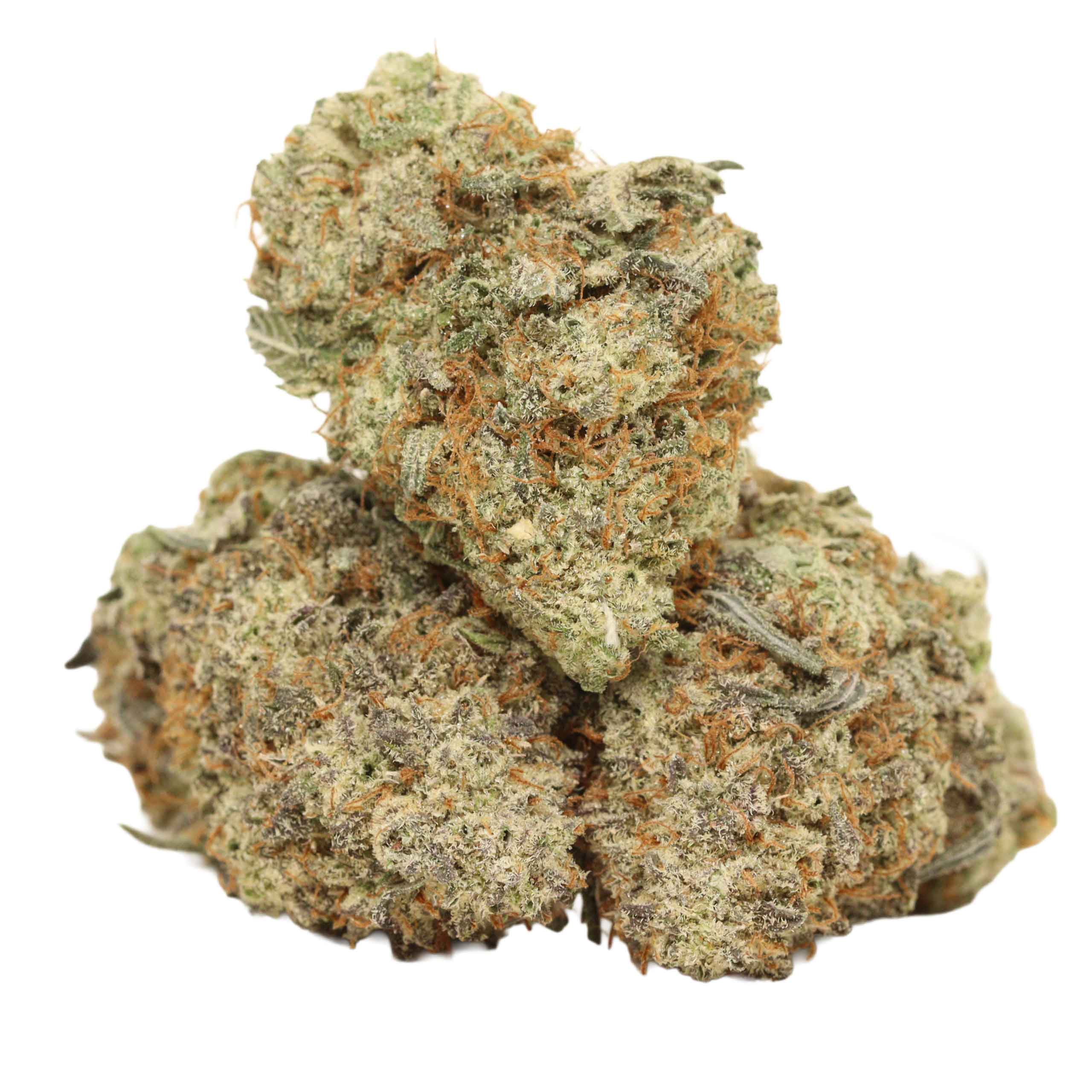
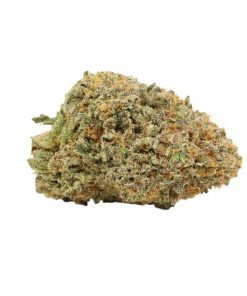
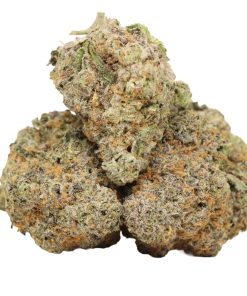
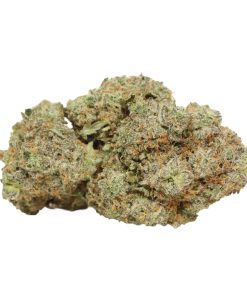
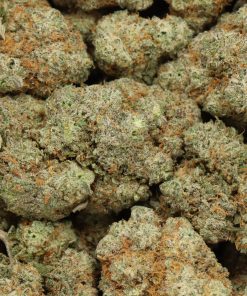
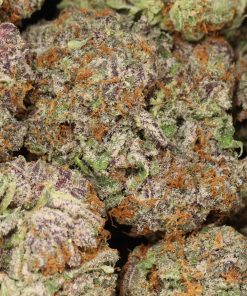
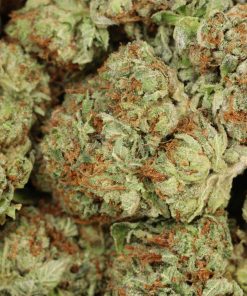
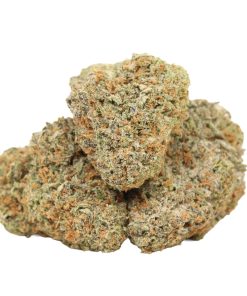
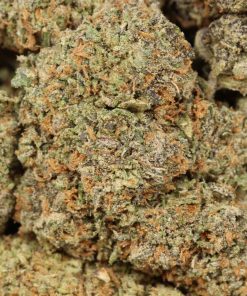
Black Tuna is generally described as a premium cannabis cultivar with compact flowers, visible trichome coverage, and a pronounced aroma. Depending on the genetic selection, the buds may display deep green coloration with darker accents, bright pistils, and a thick layer of resin.
Common quality characteristics may include:
- Dense flower structure
- Heavy visible trichome coverage
- Sticky resin production
- Carefully trimmed buds
- Strong natural aroma
- Controlled drying
- Careful curing
- Consistent presentation
However, these characteristics can differ between producers and harvests. Therefore, batch-specific information should be used whenever available.
Genetic Profile
Strain Name: Black Tuna
Strain Type: Verify with the specific producer
Genetics: Confirm with breeder or supplier documentation
Cultivation Method: Indoor, greenhouse, or outdoor depending on the producer
Because strain names can be used for different genetic selections, a definitive lineage should only be published when supported by breeder or producer documentation.
Cannabinoid Profile
Cannabinoid concentrations can vary considerably between harvests. Therefore, current laboratory results provide a more reliable profile than generalized strain estimates.
A complete cannabinoid analysis may include:
- THC
- THCA
- CBD
- CBDA
- CBG
- CBN
- Total cannabinoids
A batch-specific Certificate of Analysis can provide the actual cannabinoid composition of the flower being evaluated.
Terpene Profile
Black Tuna may express a pungent and layered terpene profile depending on its genetics and cultivation conditions.
Potential terpene characteristics can include:
- Myrcene – Earthy and herbal notes
- Caryophyllene – Peppery and spicy character
- Limonene – Citrus brightness
- Pinene – Fresh pine notes
- Humulene – Woody and earthy tones
Actual concentrations should be confirmed through laboratory testing. Consequently, the aroma and flavor can differ between individual harvests.
Appearance
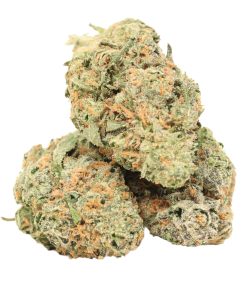
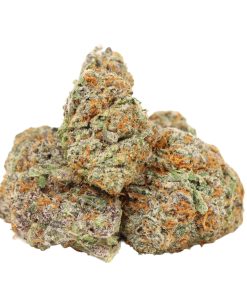
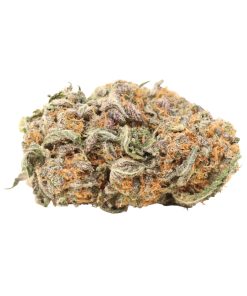
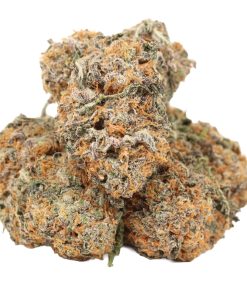
Premium Black Tuna flower may feature a striking combination of dense structure, resin coverage, and darker coloration.
Potential characteristics include:
- Dense medium-to-large buds
- Deep green coloration
- Dark purple or blue accents
- Bright orange pistils
- Heavy trichome coverage
- Sticky resin texture
- Carefully trimmed flowers
Additionally, growing conditions and harvest maturity can influence the final appearance.
Aroma
Black Tuna is commonly associated with a bold and pungent aromatic profile.
Possible aroma notes include:
- Earthy herbs
- Diesel fuel
- Fresh pine
- Peppery spice
- Woody Kush
- Subtle citrus
Furthermore, proper drying and curing can help preserve the volatile compounds responsible for the cultivar’s distinctive fragrance.
Flavor Profile
The flavor may reflect the dominant terpenes found in the specific harvest.
Potential notes include:
- Earthy herbs
- Diesel
- Pine
- Peppery spice
- Woody undertones
- Mild citrus
Because terpene expression naturally varies, the final flavor should be evaluated against the specific batch rather than treated as a guaranteed characteristic.
Cultivation Practices
Premium flower quality depends heavily on cultivation and post-harvest practices.
Responsible cultivation may focus on:
- Stable environmental conditions
- Appropriate humidity
- Proper airflow
- Consistent lighting
- Nutrient management
- Plant health
- Harvest timing
- Controlled drying
- Careful curing
Indoor cultivation can provide greater environmental control, while greenhouse and outdoor cultivation can produce different characteristics.
The actual cultivation method should be confirmed for the specific Black Tuna harvest.
Drying and Curing
Post-harvest handling plays an important role in preserving flower quality.
Controlled drying helps manage moisture gradually. Subsequently, curing allows the flowers to stabilize and can help maintain aroma, texture, and terpene characteristics.
Good post-harvest practices can support:
- Terpene preservation
- Aroma retention
- Consistent texture
- Resin quality
- Overall freshness
Improper drying or excessive moisture can negatively affect the quality and stability of cannabis flower.
Laboratory Testing and Quality Assurance
Independent laboratory testing provides useful information about cannabis composition and safety.
A current Certificate of Analysis may identify:
- Cannabinoid concentrations
- Terpene concentrations
- Microbial screening
- Heavy-metal testing
- Pesticide screening
- Batch identification
- Testing date
Therefore, laboratory documentation corresponding directly to the specific batch is preferable to generalized strain claims.
Storage Recommendations
Proper storage can help maintain cannabis flower quality where possession and use are legally permitted.
Recommended practices include:
- Use an airtight container.
- Keep the product in a cool, dark location.
- Avoid direct sunlight.
- Protect it from excessive heat.
- Maintain appropriate humidity.
- Minimize unnecessary exposure to air.
Following these practices helps preserve aroma, texture, terpene characteristics, and overall freshness.
Quality Checklist for Black Tuna
When evaluating Black Tuna flower, consider:
- Dense and healthy flower structure
- Natural coloration
- Visible trichome coverage
- Strong, consistent aroma
- Appropriate moisture level
- Careful trimming
- Secure packaging
- Current laboratory documentation
- Matching batch information
- Clear cannabinoid and terpene results
A complete evaluation should consider physical characteristics alongside laboratory evidence.
Frequently Asked Questions
What is Black Tuna?
Black Tuna is a cannabis cultivar recognized for dense flowers, strong resin production, heavy trichome coverage, and a pungent earthy and fuel-forward aromatic profile.
What genetics does Black Tuna have?
The exact lineage should be confirmed with the breeder or producer because the Black Tuna name can refer to different genetic selections.
What does Black Tuna smell like?
Depending on the genetic selection, Black Tuna may feature earthy herbs, diesel, pine, peppery spice, woody Kush, and subtle citrus aromas.
What terpenes can be found in Black Tuna?
Potentially prominent terpenes include myrcene, caryophyllene, limonene, pinene, and humulene. Actual concentrations should be confirmed through a current laboratory report.
How can I verify Black Tuna’s THC content?
The most reliable method is to review a Certificate of Analysis corresponding to the specific batch. Laboratory results provide more accurate information than generalized strain estimates.
How should Black Tuna be stored?
Store the flower in an airtight container in a cool, dark environment with controlled humidity. Avoid excessive heat, direct sunlight, and unnecessary exposure to air.
Conclusion
Black Tuna is a distinctive cannabis cultivar characterized by dense flowers, substantial trichome coverage, resin production, and a pungent terpene profile. Its potential combination of earthy, fuel, pine, herbal, and spicy notes makes it an interesting cultivar for cannabis enthusiasts researching aromatic flower varieties.
Most importantly, strain names do not guarantee a fixed chemical profile. Therefore, confirmed genetics, current laboratory results, cultivation information, and batch-specific Certificates of Analysis provide the strongest foundation for evaluating Black Tuna.
| Quantity | 1oz, 1/4lb, 1/2lb, 1b |
|---|
Be the first to review “Black Tuna”
Related products
Indica
Indica
Indica

Indica
Indica
Indica
Indica
Indica
Reviews
There are no reviews yet.